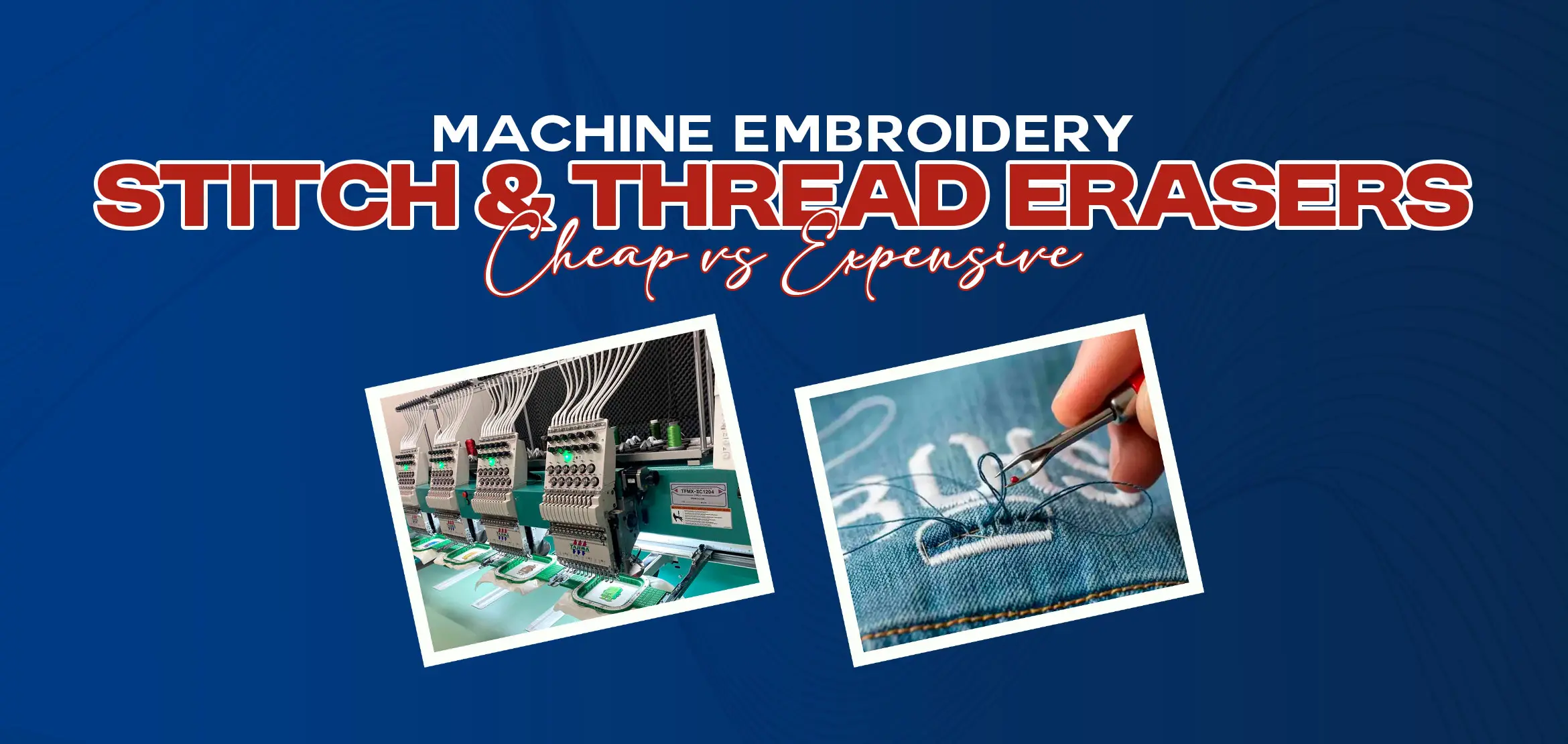
Machine Embroidery Stitch & Thread Erasers | Cheap vs Expensive
Table Of Content
- What is a Machine Embroidery Stitch & Thread Eraser?
- How Machine Embroidery Stitch Erasers Work (Mechanics & Safety)
- Correct Stitch Removal Technique for Machine Embroidery Designs
- Comparing Stitch Erasers on Satin, Fill, and Run Stitches
- Performance Review of Cheap Stitch Erasers
- Eyebrow Razor: Best for Simple Satin Stitch Removal
- Wahl Pet Pocket Trimmer: Affordable and Surprisingly Effective
- Galaxy Electric Seam Ripper: Slow Performance at a Mid Price
- Performance Review of Expensive Stitch Erasers
- Wahl Peanut vs Peggy Stitch Eraser: Same Power, Different Price
- Peggy Stitch Eraser: Is the Expensive Option Safer for Beginners?
- Speed vs Safety: Which Stitch Eraser Works Best?
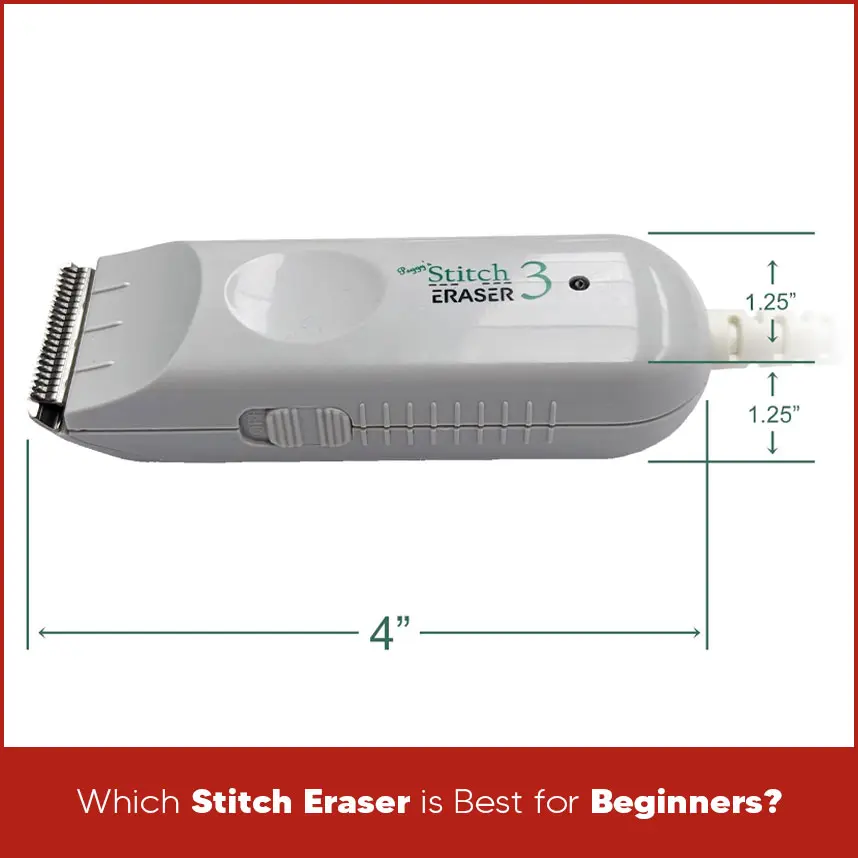
- Which Stitch Eraser is Best for Beginners?
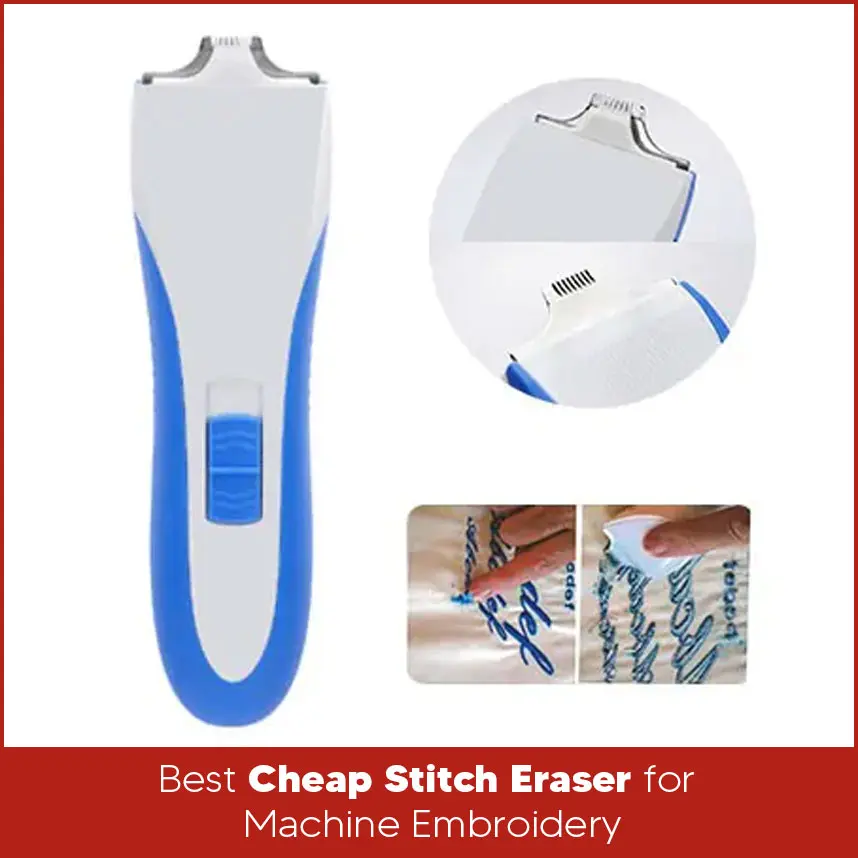
- Best Cheap Stitch Eraser for Machine Embroidery
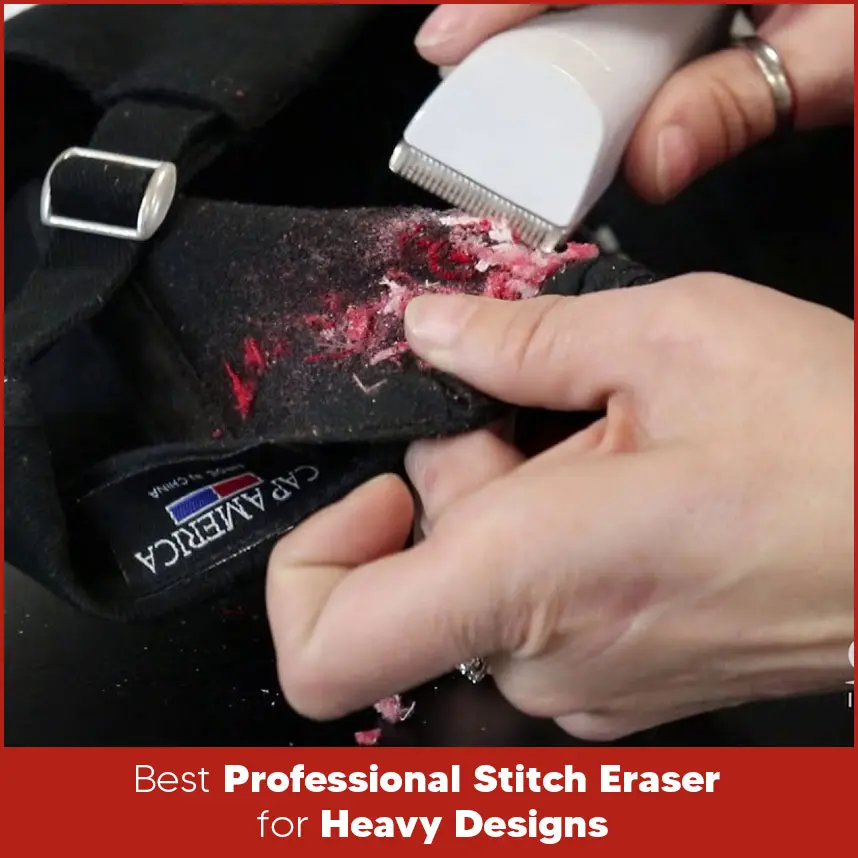
- Best Professional Stitch Eraser for Heavy Designs
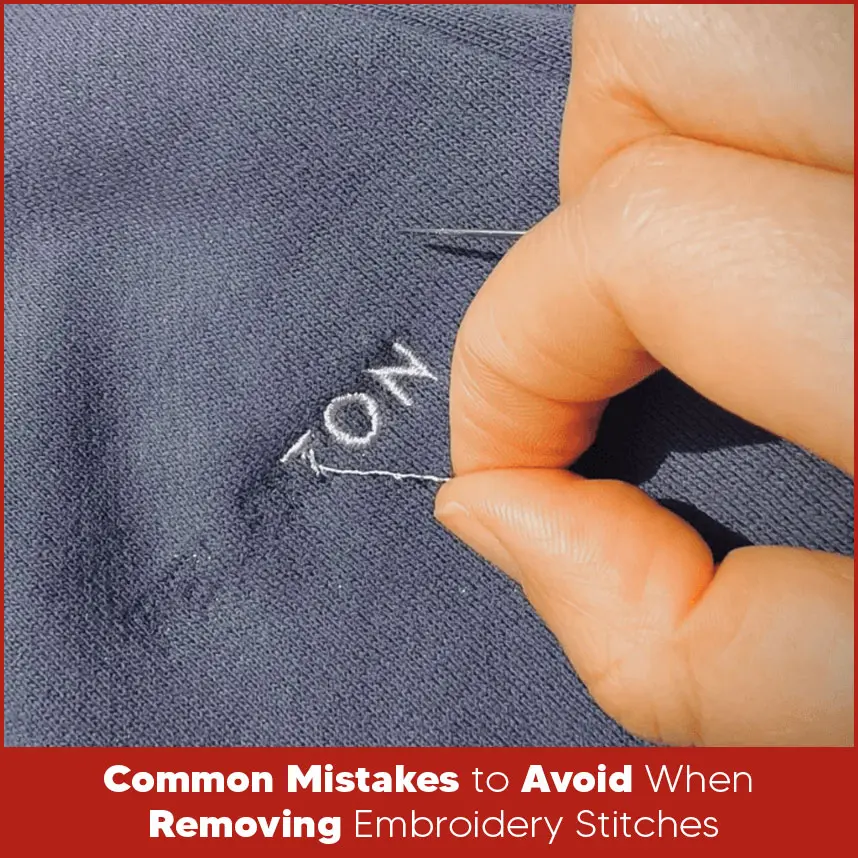
- Common Mistakes to Avoid When Removing Embroidery Stitches
- Cheap vs Expensive Stitch Erasers: Comparison Table
- Summary
Anyone who works on embroidery with embroidery machine understands this moment. Everything is ready and the machine starts stitching but suddenly a small mistake appears. Letter spacing off, fill stitches overlap the edge or something else. At this point, you have only 2 options, either scrap the fabric or remove the stitches & fix design.
This is where a machine embroidery stitch & thread eraser becomes a lifesaver.
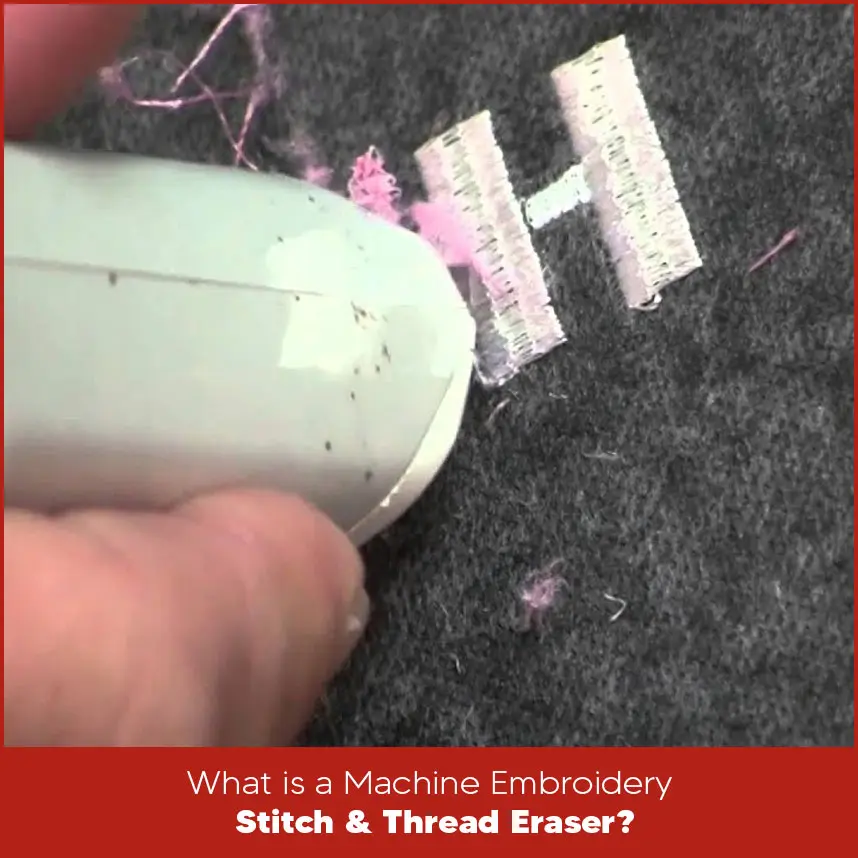
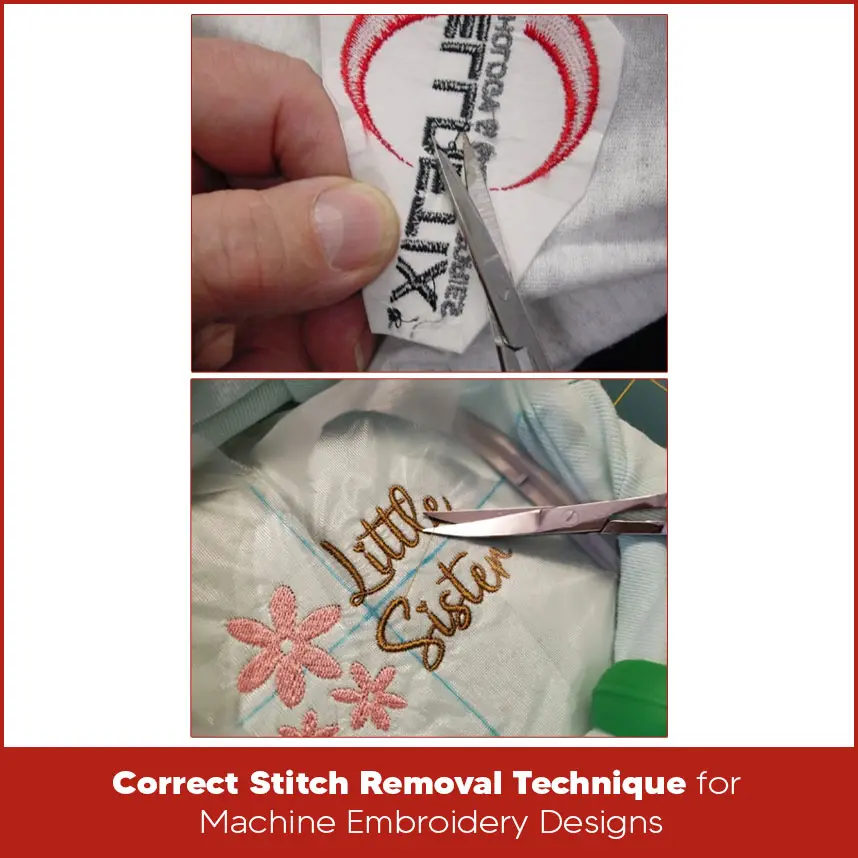
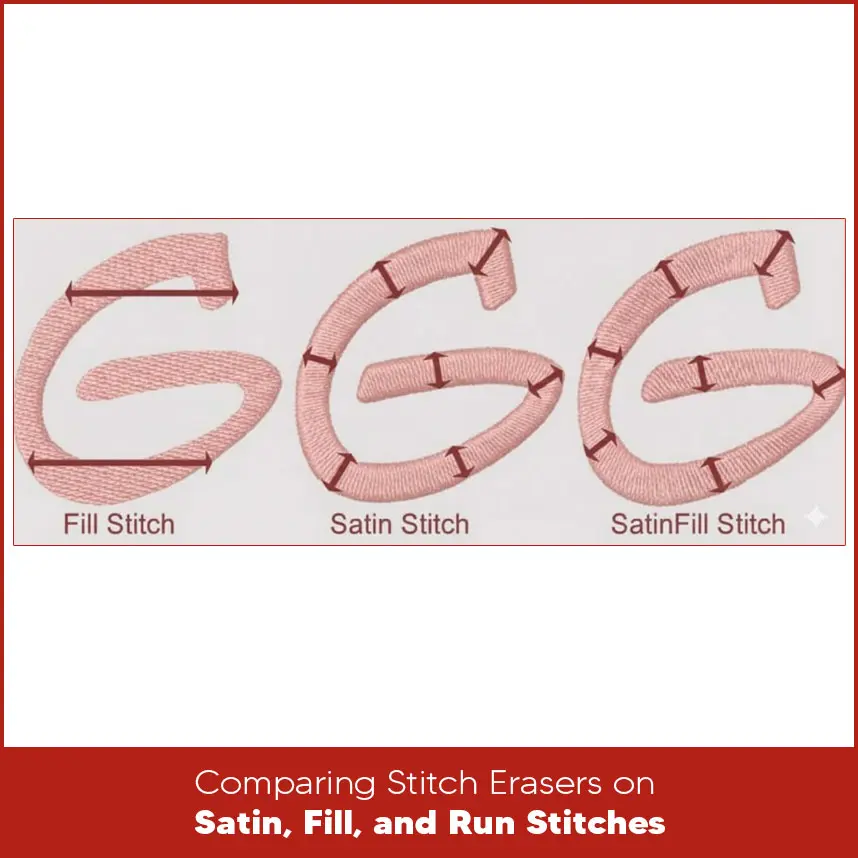
Some stitch erasers are costly. Others are sold as professional tools at a higher price. Mostly embroiderers have the same question: Is an expensive stitch eraser really better or can a cheap one do the same function just as well? In this guide, we will break it all down in the simplest way. We'll look at how stitch erasers work, how they perform on different stitch types & which tools are good for beginners and professionals. Machine embroidery stitch & thread eraser is a tool used to remove unwanted embroidery stitches. It cuts or lifts the threads from the back of the fabric so they can be pulled out cleanly from the front. Unlike a seam ripper, which is slow and risky for dense designs, stitch erasers are made to handle: - Satin stitches. - Fill stitches. - Run stitches. -High stitch count embroidery. Most stitch erasers work by cutting threads from the back side of the fabric. Blade or teeth slide gently across the stitches & break the thread loops. Once the threads are cut, they loosen & can be removed from the front. There are two main types: - Manual tools (like razors). - Electric tools (corded or battery powered). Safety depends on three things: - Blade or teeth width. - Pressure applied. - User control. Tools with finer teeth usually need more pressure, which reduces the chance of cutting fabric. Tools with wider teeth work faster but require a lighter hand. No matter which tool you use, technique matters more than price. For clean and safe stitch removal: - Always work from the back of the fabric. - Keep the stabilizer attached as long as possible. - Use slow, guided movements. - Don’t press hard into the fabric. - Stop and check your progress. If the stabilizer is removed too early, the fabric can stretch or tear. This is a common mistake, especially for beginners. Not all embroidery stitches behave the same during removal. - Satin stitches are raised and easier to cut. - Fill stitches are dense and take more time. - Run stitches are thin but tightly locked. A good stitch eraser should handle all three without pulling fabric threads or leaving marks. Cheap stitch erasers are often simple tools. They are easy to find and cost very little. Some work better than expected, while others feel slow or unsafe. An eyebrow razor is one of the cheapest razors people use for embroidery stitch removal. It works well for: - Light satin stitches. - Small lettering fixes. - Quick touch-ups. However, it struggles with: - Dense fill stitches. - Large designs. - Multiple stitch layers. It is best used as a backup tool, not a main solution. This small battery powered trimmer performs better than many expect. Strengths: - Removes satin, fill, and run stitches. - Easy to control. - Doesn‘t damage fabric when used gently. Limitations: Wider teeth mean you must use light pressure. - Not ideal for very tight spaces. For its price, it offers strong value and works well for regular corrections. This electric seam ripper looks promising but feels limited in use. Issues: - Slower stitch removal. - Less smooth movement. - Requires more passes to remove dense stitches While it does remove stitches, it does not feel efficient for daily embroidery work. Expensive stitch erasers are designed for speed, control, and long-term use. The Wahl Peanut and the Peggy Stitch Eraser have the same internal model design. The main difference is branding and price. The Wahl Peanut: - Faster stitch removal. - Strong motor. - Lower price. The Peggy Stitch Eraser: - Finer teeth. - Slower cutting speed. - Higher cost. Both tools remove stitches well, but speed and cost make a difference. The Peggy Stitch Eraser is often recommended for beginners because: - Finer teeth reduce fabric risk. - Requires more pressure to cut fabric. - Offers better control. It is slower but it gives peace of mind for new users. Speed is important in production work. Safety is important when learning. - Fast eraser saves time but needs skill. - Slower tools reduce mistakes but take longer The right choice depends on how you remove stitches & how confident you are with embroidery tools. For beginners, safety matters more than speed. Best beginner options: - Peggy stitch eraser. - Wahl pet pocket trimmer. Both allow controlled stitch removal without high risk to fabric. The Wahl Pet Pocket Trimmer stands out as the best low-cost option. It balances speed, control, and safety better than most cheap erasers. An eyebrow razor can still be useful for quick satin stitch fixes. For professionals handling dense designs daily, the Wahl Peanut has the best balance of speed and price. It removes stitches quickly and handles heavy designs without slowing down workflow. - Cutting from the front of the fabric. - Removing stabilizer too early. - Pressing too hard. - Rushing through dense stitches. - Using the wrong tool for the stitch type. Avoiding these mistakes protects both fabric and design quality. A machine embroidery stitch & thread eraser is not an expensive essential. It is a must-have for anyone serious about embroidery. Cheap erasers handle simple tasks, while expensive erasers offer better control or speed, depending on the design. At DigitizingUSA, we understand how embroidery mistakes happen and how important clean stitch correction is. Our embroidery digitized designs are created with precision, clean stitch paths, and proper density so you won't spot mistakes with expert digitizers, fast turnaround times, and reliable support, we help you get embroidery designs every time.What is a Machine Embroidery Stitch & Thread Eraser?
How Machine Embroidery Stitch Erasers Work (Mechanics & Safety)
.webp)
Correct Stitch Removal Technique for Machine Embroidery Designs
Comparing Stitch Erasers on Satin, Fill, and Run Stitches
Performance Review of Cheap Stitch Erasers
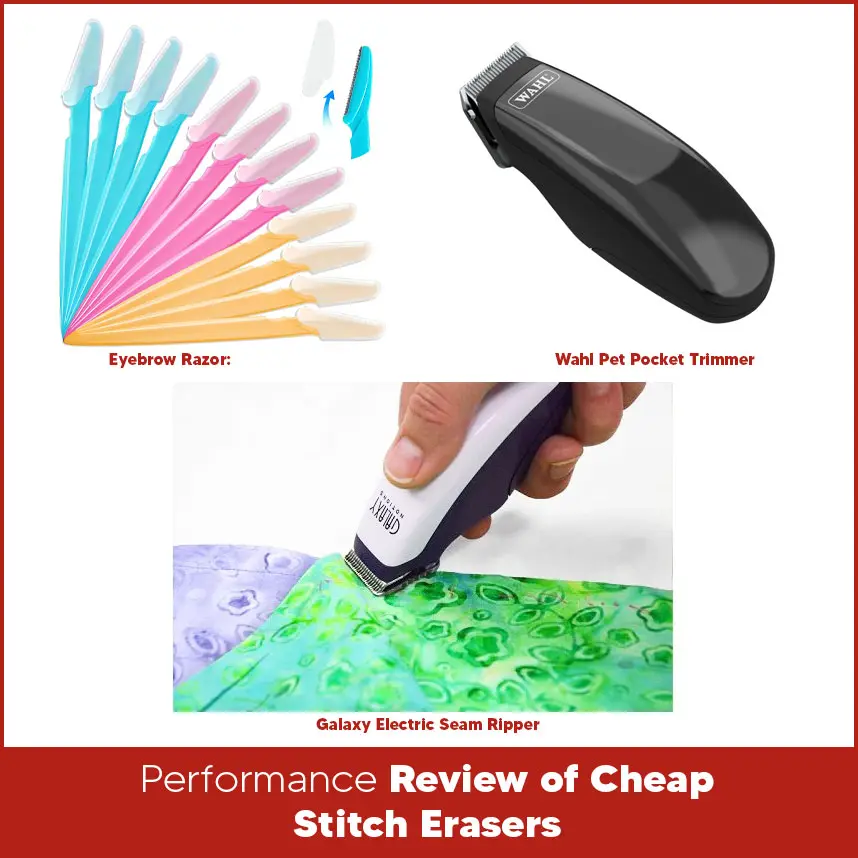
Eyebrow Razor: Best for Simple Satin Stitch Removal
Wahl Pet Pocket Trimmer: Affordable and Surprisingly Effective
Galaxy Electric Seam Ripper: Slow Performance at a Mid Price
Performance Review of Expensive Stitch Erasers
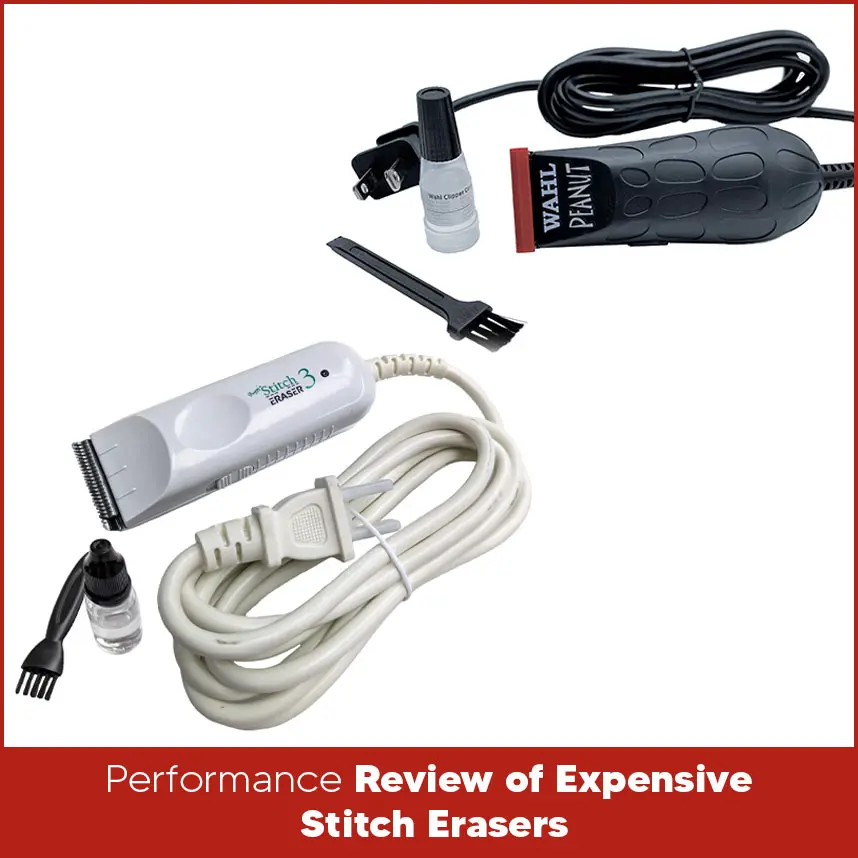
Wahl Peanut vs Peggy Stitch Eraser: Same Power, Different Price
Peggy Stitch Eraser: Is the Expensive Option Safer for Beginners?
Speed vs Safety: Which Stitch Eraser Works Best?
Which Stitch Eraser is Best for Beginners?
Best Cheap Stitch Eraser for Machine Embroidery
Best Professional Stitch Eraser for Heavy Designs
Common Mistakes to Avoid When Removing Embroidery Stitches
Cheap vs Expensive Stitch Erasers: Comparison Table
Summary
If you want professional digitizing that saves time, fabric, and effort, DigitizingUSA is here to help. Reach out today and let experienced hands handle your embroidery needs.