
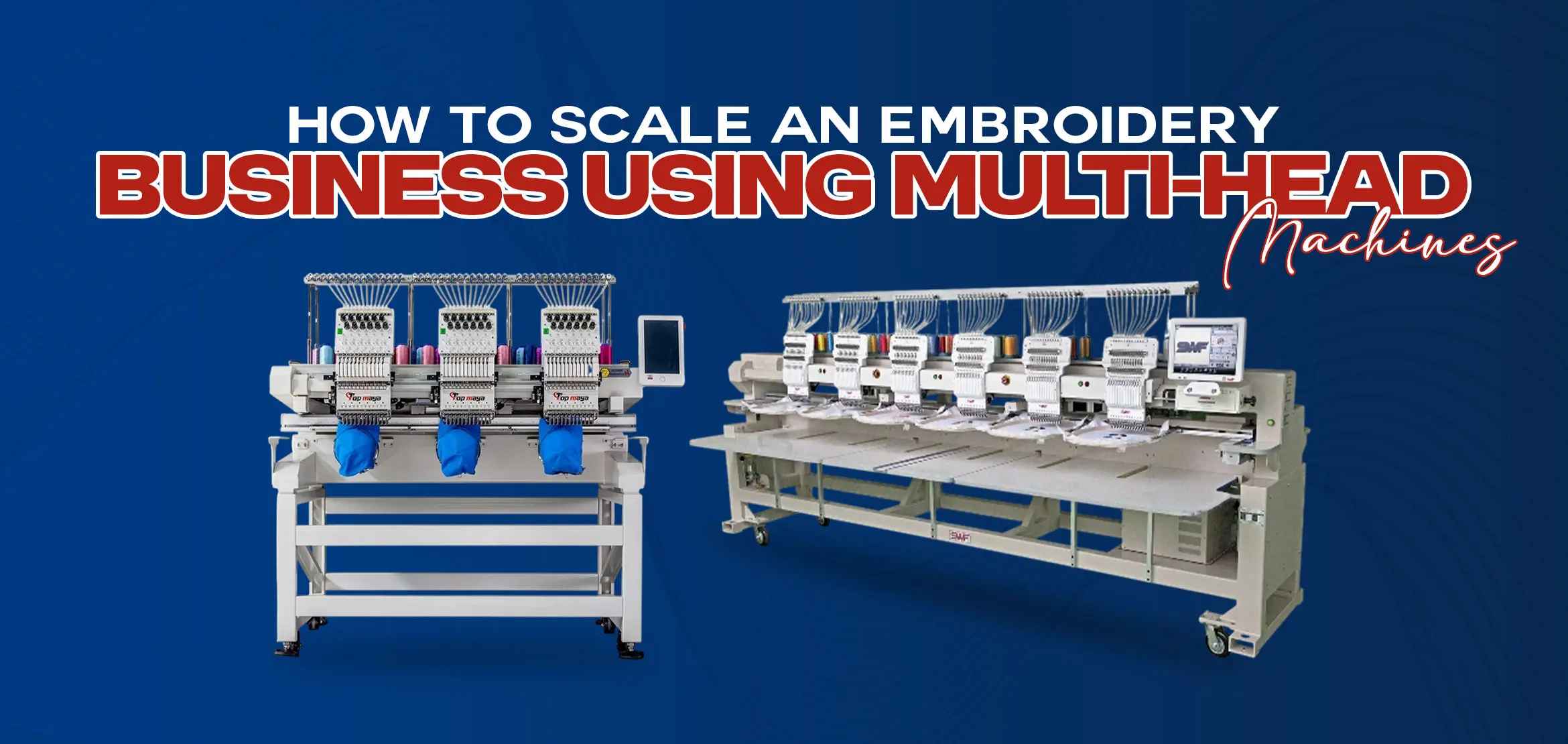
How to Scale an Embroidery Business Using Multi-Head Machines?
Table Of Content
- Signs Your Embroidery Business is Ready to Scale
- How Multi-Head Machines Increase Production Without Increasing Labor
- Choosing the Right Multi-Head Machine for Business Growth
- Production Planning Strategies for Multi-Head Embroidery Machines
- Optimizing Digitizing Files for Multi-Head Machine Performance
- Reducing Per-Unit Cost Using Multi-Head Embroidery Machines
- Managing Large Orders Without Compromising Stitch Quality
- Maintenance Practices That Keep Multi-Head Machines Running at Scale
- Common Scaling Mistakes Embroidery Businesses Make with Multi-Head Machines
- Summary
At some point, every embroidery business reaches a challenging moment. Orders continue to come, delivery dates become tighter and single machine starts to feel like a burden instead of a solution. You work many hours, yet the output stays the same. Profit feels stuck even though demand grows. This stage causes stress for many embroidery businesses.
Scaling an embroidery business doesn't mean working faster. It means working smarter with the right setup. Multi-head machines help businesses grow when used with the right planning, digitizing, and workflow. This guide covers how to scale an embroidery business step by step without losing control of quality, cost or deadlines. Many businesses delay scaling because they're not sure. In reality, the signs looks clearly. - You turn down bulk orders because one machine can’t handle volume production. - You work late hours just to meet deadlines. - Face delays during peak seasons. - Repeat the same designs daily with no speed increase. - Your profit per order feels low despite high demand. - Struggle to balance quality and speed. - You receive more orders or repeat business requests. When these signs appear together, growth pressure already exists. A multi-head setup helps handle this pressure in a controlled way. Multi-head machines run the same design across multiple heads at the same time. Instead of stitching a single item, the machine stitches many pieces together. This setup increases output without hiring extra operators for each unit. One trained operator can manage multiple heads. The machine repeats the same stitch path with consistent tension and speed. This method saves time, controls labor cost, and keeps production stable during bulk orders. Not every multi-head machine fits every business. Growth depends on matching machine capacity with real demand. Important points to consider include: - Number of heads needed for current and future orders. - Needle count for color heavy designs. - Hoop size for hats, jackets, and flat garments. - Stitch speed that stays stable during long runs. - Machine support and parts availability. Choosing a machine with space to grow helps avoid another upgrade too soon. A multi-head machine only performs well with good planning. Randomly switching wastes time. Strong production planning includes: - Grouping orders with the same design. - Scheduling large runs during long shifts. - Running test samples before final production. - Preparing the thread and backing in advance. - Avoiding frequent design changes during runs. This structure keeps machines running smoothly and avoids downtime. Digitizing quality decides success at scale. Poor digitizing causes thread breaks, uneven stitches, and machine stops. Well-optimized digitizing includes: - Balanced stitch density. - Proper push and pull compensation. - Clean stitch paths without overlaps. - Stable underlay for long runs. - Correct sequencing for multiple heads. Professional embroidery digitizing supports smooth performance, especially during bulk production. Scaling only works when cost stays under control. Multi-head machines reduce cost per item by spreading labor, time, and setup across more garments. Benefits include: - Lower labor cost per piece. - Faster order completion. - Less machine idle time. - Better pricing for bulk orders. As long as production stays consistent, profit margins improve automatically. High volume doesn’t mean low quality. Quality control matters more at scale. Strong quality practices include: - Running sample tests before full runs. - Monitoring thread tension across heads. - Checking needles' condition regularly. - Inspecting garments during production. - Using stable digitizing files. These steps prevent costly rework and client complaints. Scaling adds pressure on machines. Regular maintenance keeps production steady. Good maintenance habits include: - Daily cleaning of lint and debris. - Scheduled needle replacement. - Proper lubrication cycles. - Tension checks before bulk orders. - Software updates when required. Preventive care saves time and avoids sudden breakdowns. Many businesses struggle after upgrading due to avoidable mistakes. Buying such an expensive multi-head machine too early. - Ignoring digitizing quality. - Poor production scheduling. - Underpricing bulk orders. - Skipping machine maintenance. - Using one machine for all kinds of fabrics. - Training operators too quickly. - Overloading machines during peak times. - No backup plan for downtime. Avoiding these mistakes keeps growth stable & fast. Scaling an embroidery business requires more than buying a multi-head machine. Growth completely depends on planning, digitizing quality, workflow control, and machine care. When all parts work together, multi-head machines help businesses handle higher demand without stress or quality loss. If you want clean, production ready embroidery digitizing that supports smooth multi-head performance, DigitizingUSA delivers reliable digitizing built for scaling businesses. Our files help reduce machine stops, improve stitch flow, and support long production runs.Signs Your Embroidery Business is Ready to Scale
How Multi-Head Machines Increase Production Without Increasing Labor
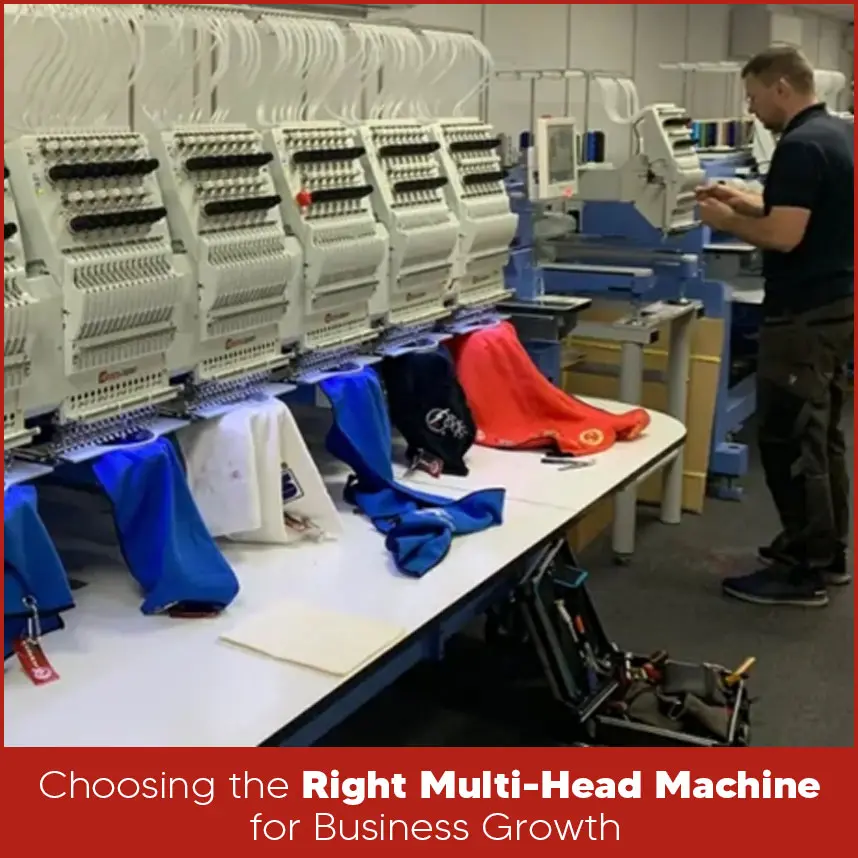
Choosing the Right Multi-Head Machine for Business Growth
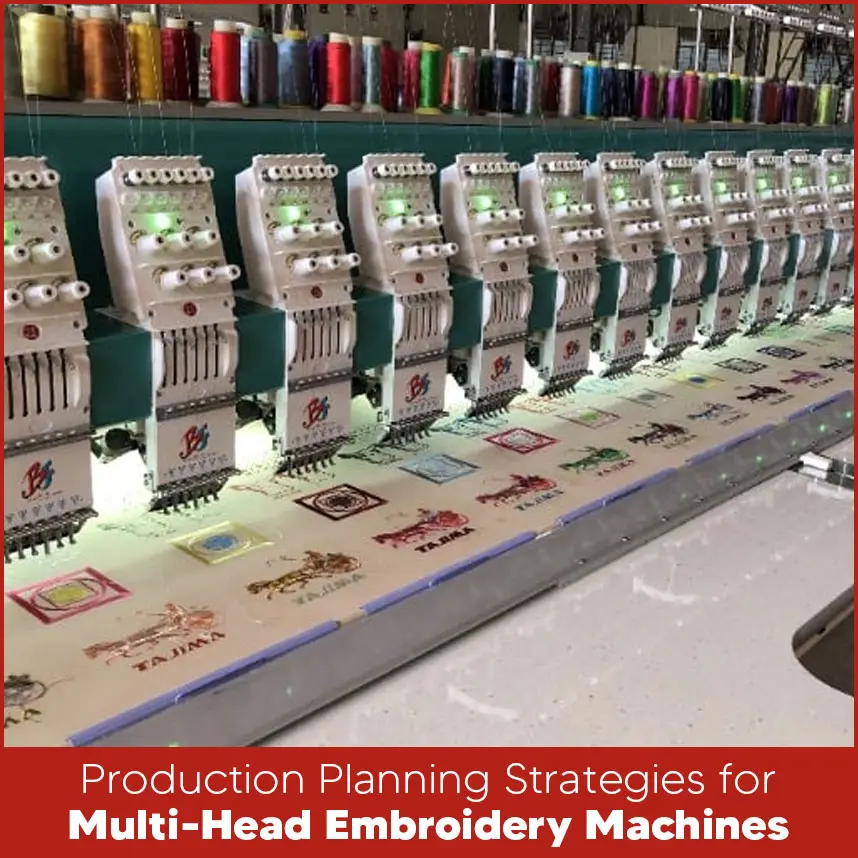
Production Planning Strategies for Multi-Head Embroidery Machines
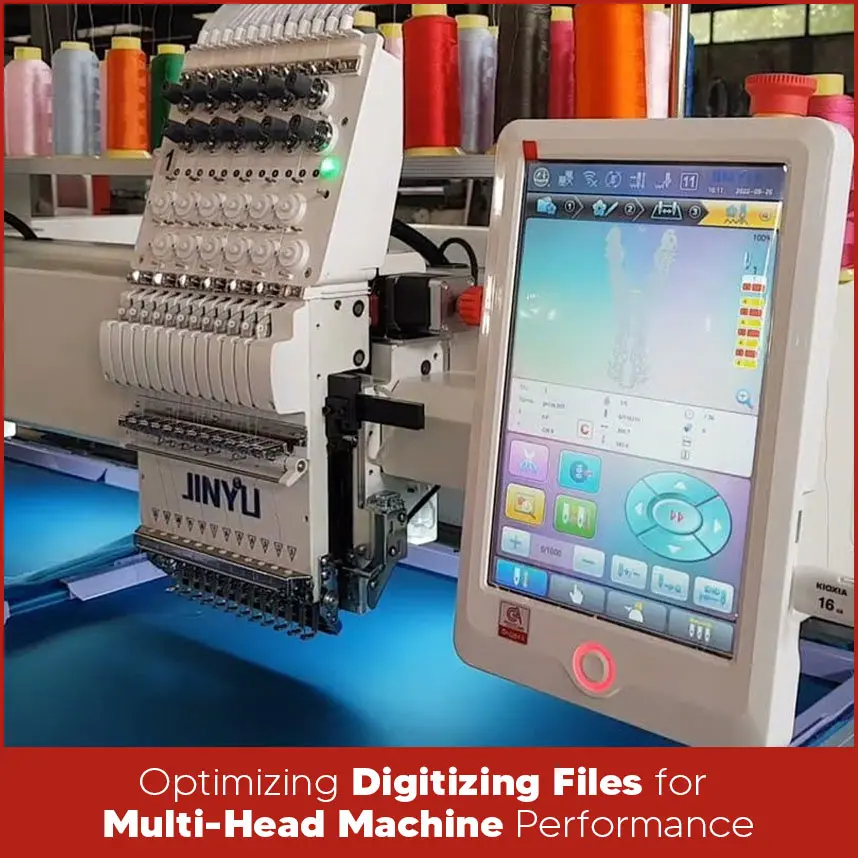
Optimizing Digitizing Files for Multi-Head Machine Performance
Reducing Per-Unit Cost Using Multi-Head Embroidery Machines
Managing Large Orders Without Compromising Stitch Quality
Maintenance Practices That Keep Multi-Head Machines Running at Scale
Common Scaling Mistakes Embroidery Businesses Make with Multi-Head Machines
Summary
Get your embroidery digitizing done right and scale with confidence. Contact Digitizing USA today.