
How Machine Speed Affects Embroidery Quality
Table Of Content
- Factors that Affect Embroidery Quality
- The Type of Embroidery
- Impact on Stitch Quality
- Thread Type & Quality
- Thread Tension and Breakage
- Needle Quality & Type
- Fabric Type
- Push & Pull Compensation
- Embroidery Machine Type
- Stitch Width
- Embroidery Digitizing
- Importance of Setting the Right Speed of Embroidery Machine
- Longer Life Span of the Embroidery Machine
- Less Needle Breaks
- Productivity Enhancement
- Suggested Machine Speed for Embroidery Quality
- Summary
Embroidery looks so simple when you see a machine running smoothly on designs but actual quality comes from balance, control and most importantly, correct settings. Machine speed is the main part of the quality of clean, sharp, and professional embroidery designs. When the speed is unbalanced, even a good design loses its quality. In embroidery digitizing, speed is not about working fast. It is about giving the machine enough time to place each stitch perfectly.
Many embroidery problems don't happen from thread or fabric. They start with speed settings that don't match your design, material or machine type. When you understand clearly how machine speed affects embroidery quality, you will get better control over your results and won't make these mistakes again. So let's start understanding together. Embroidery quality depends on several connected factors. Machine speed is one of them, but it works together with other elements. If one factor goes wrong, the final output definitely be affected. Important quality factors include: - Machine speed controls stitch accuracy and design clarity. - Thread behavior during stitching. - Fabric movement under the needle. - Digitizing accuracy and stitch planning. - Correct speed helps the needle place stitches properly. - Balanced speed prevents damage to thread and fabric. - Speed settings must match design and material needs. Different embroidery styles need different speeds. Flat embroidery needs slightly higher speeds because stitches stay close to the fabric. 3D puff embroidery needs slower speeds since foam adds raise and resistance. Hat embroidery also needs controlled speed because the surface is curved and tight. When speed matches the embroidery type, stitches settle properly and hold their shape. Speed varies by embroidery style: - Plain embroidery supports moderate to higher speed. - 3D puff needs slower speed for foam control. - Cap embroidery requires steady and controlled speed. - Specialty embroidery demands careful speed adjustment. High speed causes stitches to lose accuracy. The needle may not enter exactly where the digitized path guides it. This leads to uneven stitch length, loose edges & gaps in fills. At controlled speeds, stitches stay consistent. Satin columns look smooth, fills stay even, and outlines remain sharp. Stitch quality improves because the machine has enough time to complete each movement correctly. Speed directly affects stitches by: - Keeping stitch length even. - Protecting sharp edges and clean outlines. - Preventing gaps in filled areas. - Improving stitch placement accuracy. Thread behaves differently at different speeds. Polyester thread handles speed better than rayon but both still need limits. Low quality thread breaks more at high speed due to friction and heat. Thread performance depends on speed because: - Fast speed increases friction on thread. - Lower speed reduces heat buildup. - Stable speed improves thread flow. - Quality thread still needs proper speed control. Speed directly affects tension. At high speed, thread pulls harder through tension discs. This causes frequent thread breaks or looping under the fabric. Correct speed keeps tension stable. As long as tension stays balanced, stitches lock properly and embroidery looks clean on both sides. Speed helps control tension by: - Reducing sudden thread pull. - Preventing frequent thread breaks. - Keeping stitches locked correctly. - Improving back-side stitch appearance. Needles break faster at high speed. A broken needle damages thread and fabric. It can also cause skipped stitches. Using the right needle size helps, but speed control matters just as much. A moderate speed helps the needle break. Soft fabrics like knits, fleece, and beanies need slower speeds. These fabrics stretch and move under fast stitching. Woven fabrics like twill or denim allow slightly higher speeds. When speed matches fabric behavior, designs sit flat and hold their shape. This is important for professional-looking embroidery. Fabric reacts to speed because: - Soft fabric stretches under high speed. - Firm fabric holds better at moderate speed. - Controlled speed prevents fabric damage. - Proper speed keeps designs flat. Push and pull happen when fabric shifts during stitching. High speed increases this movement. As a result, shapes may look distorted even if digitizing is correct. Lower speed gives the fabric time to recover between stitches. This improves alignment and keeps design proportions accurate. Single-head machines need careful speed control since they handle one design at a time. Multi-head machines usually run at lower speeds to keep all heads consistent. Commercial machines may allow high speed, but quality still depends on setup. Speed must match the machine’s stability and maintenance level. Machine type affects speed because: - Single-head machines focus on precision. - Multi-head machines need uniform output. - Commercial machines require balance. - Maintenance level affects safe speed. Wide satin stitches need slower speed. At high speed, wide stitches tend to wobble and don’t keep clean edges. Narrow stitches bear moderate speed better. Still, steady movement always gives better control and cleaner edges. Stitch width reacts to speed by: - Wide stitches need extra control. - Narrow stitches hold shape more easily. - Slower speed protecting satin edges. - Balanced speed improving stitch flow. Good digitizing supports correct speed, but it can’t fix speed mistakes. If a design includes dense fills, tight curves, or small details, high speed will reduce clarity. Professional digitizing considers speed limits during stitch planning. This ensures designs run smoothly without stress on the machine. Digitizing supports speed by: - Planning stitch flow correctly. - Managing dense stitch areas. - Allowing smooth needle movement. - Reducing stress on machine parts. Correct speed protects both the design and the machine. It improves quality while reducing long-term issues. Right speed helps by: - Improving embroidery finish. - Protecting machine parts. - Reducing production errors. - Supporting smooth workflow. High speed creates vibration, heat, and mechanical stress. Over time, this causes wear on internal parts. Balanced speed keeps the machine running smoothly and extends its working life. Proper speed increases machine life by: - Reducing vibration. - Lowering internal heat. - Supporting smooth operation. Fast stitching increases needle pressure. This leads to frequent breaks, especially on thick fabrics. Lower speed reduces force on the needle, hence fewer breaks and smoother production. Controlled speed helps by: - Reducing needle pressure. - Preventing sudden breaks. - Improving stitching flow. - Lowering replacement costs. Many people think high speed means higher output. But in reality, frequent thread breaks and rework slow everything down. Correct speed reduces errors, saves time, and improves overall productivity. Balanced speed improves productivity by: - Reducing stoppages. - Limiting rework. - Saving production time. - Improving output consistency. There is no single perfect speed for every project, but general ranges help: - Simple embroidery on stable fabric: 700–850 stitches per minute. - Caps and structured hats: 600–700 stitches per minute. - 3D puff embroidery: 500–650 stitches per minute. - Knits, fleece, and stretch fabric: 500–700 stitches per minute. Always adjust speed based on design density, thread type, and fabric behavior. Speed selection depends on: - Fabric strength. - Design complexity. - Machine capability. Machine speed affects embroidery quality but people don't realize it. Speed affects stitch accuracy, thread performance, fabric stability, and machine health. When speed matches the design and material, embroidery automatically looks clean, sharp, and professional. If you want consistent results, speed control must work together with proper digitizing. That is where expert digitizing makes a real difference. At Digitizing USA, our skilled digitizers create designs that run smoothly at the right speeds. Each file is optimized for stitch flow, fabric behavior, and machine performance. If you want embroidery that stitches clean without stress or rework, trust Digitizing USA for professional embroidery digitizing services.Factors that Affect Embroidery Quality
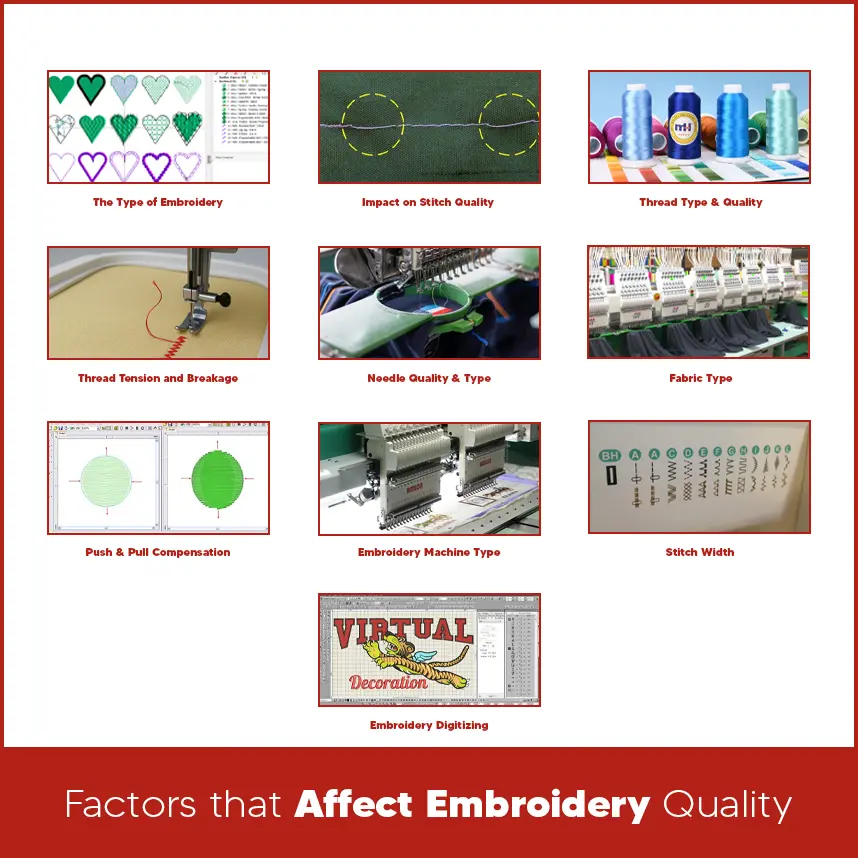
The Type of Embroidery
Impact on Stitch Quality
Thread Type & Quality
Thread Tension and Breakage
Needle Quality & Type
Fabric Type
Push & Pull Compensation
Embroidery Machine Type
Stitch Width
Embroidery Digitizing
Importance of Setting the Right Speed of Embroidery Machine
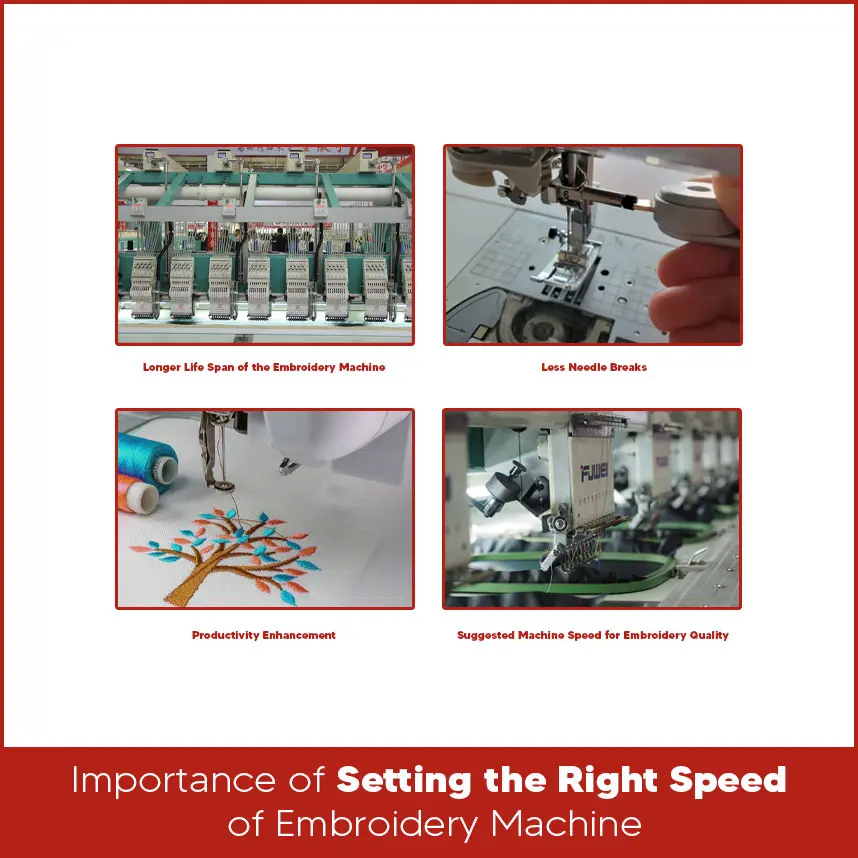
Longer Life Span of the Embroidery Machine
Less Needle Breaks
Productivity Enhancement
Suggested Machine Speed for Embroidery Quality
Summary
Send your design to Digitizing USA today and get digitizing that protects quality from the first stitch to the last.