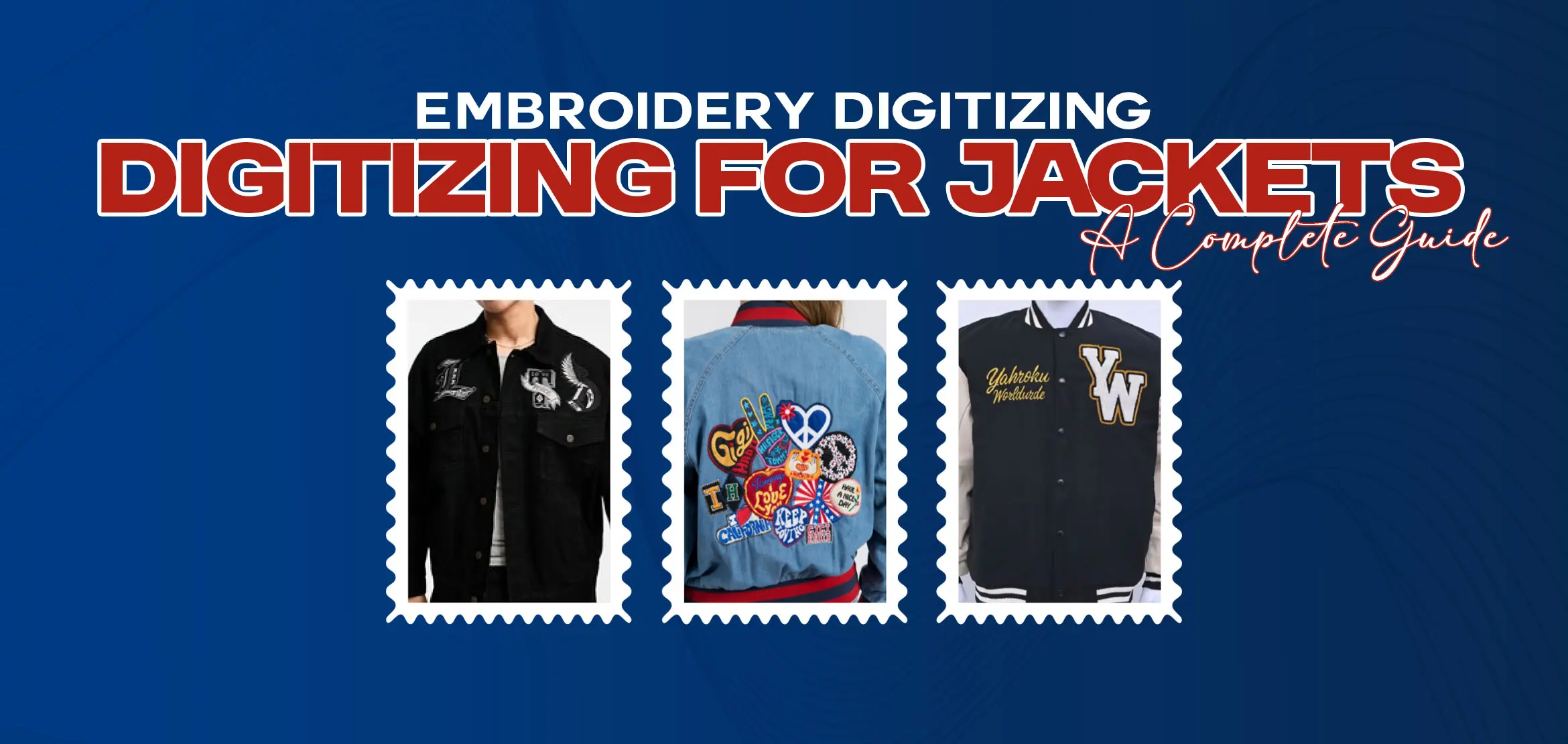
Embroidery Digitizing for Jackets | A Complete Guide
Table Of Content
- How Custom Embroidery Designs Transform Your Jacket?
- Top Considerations for Your Jacket Choice
- Fabric stability
- Seam placement
- Linings and pockets
- Brand quality and durability
- Jacket Fabrics That Affect Embroidery Digitizing
- Leather Jackets
- Denim Jackets
- Polyester Windbreakers
- Wool Varsity Jackets
- What Kind of Thread is Used for Jacket Embroidery?
- Polyester thread
- Rayon thread
- Specialty threads
- Embroidery Design Application on Jackets
- Left Chest
- Full Back
- Sleeves
- Collars or Hoods
- Jacket Embroidery Ideas to Inspire You
- How Embroidery Digitizing for Jackets Supports Branding?
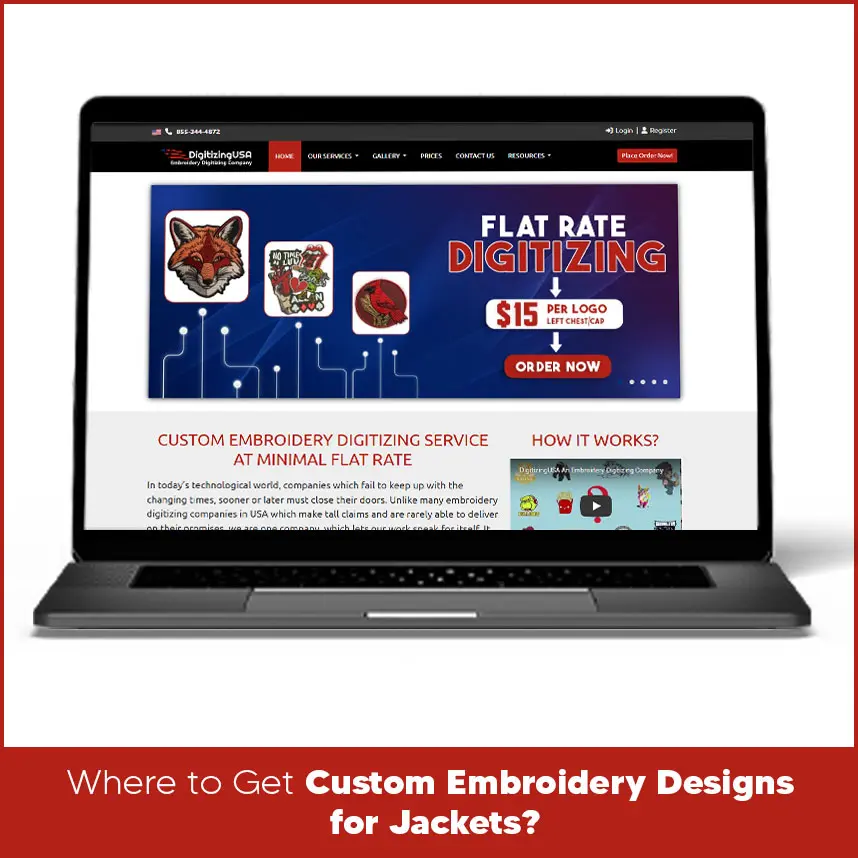
- Where to Get Custom Embroidery Designs for Jackets?
- Summary
Plain jackets are okay but you notice embroidered jackets give you a different apperance like you wear a plain jacket, go outside and no one notices you but at the same time, another person comes around you and you see them in an embroidered jacket that looks so good. Usually people wear them to show style, business identity, and personal taste. A plain jacket looks so-so but embroidery enhances the overall look. It can be a logo, name, unique or interesting artwork stitched on a jacket, which makes it stylish and last longer than prints. This is where embroidery digitizing for jackets plays a key role.
Many people think embroidery starts with the machine. In reality, it starts much earlier. Digitizing turns artwork into a stitch file that the machine understands. When done right, the design looks clean, strong, and professional on jackets. When done wrong, stitches break, pull or damage the fabric.
This guide definitely helps you and covers everything you need to know so next time you can make the right choices every time.
How Custom Embroidery Designs Transform Your Jacket?
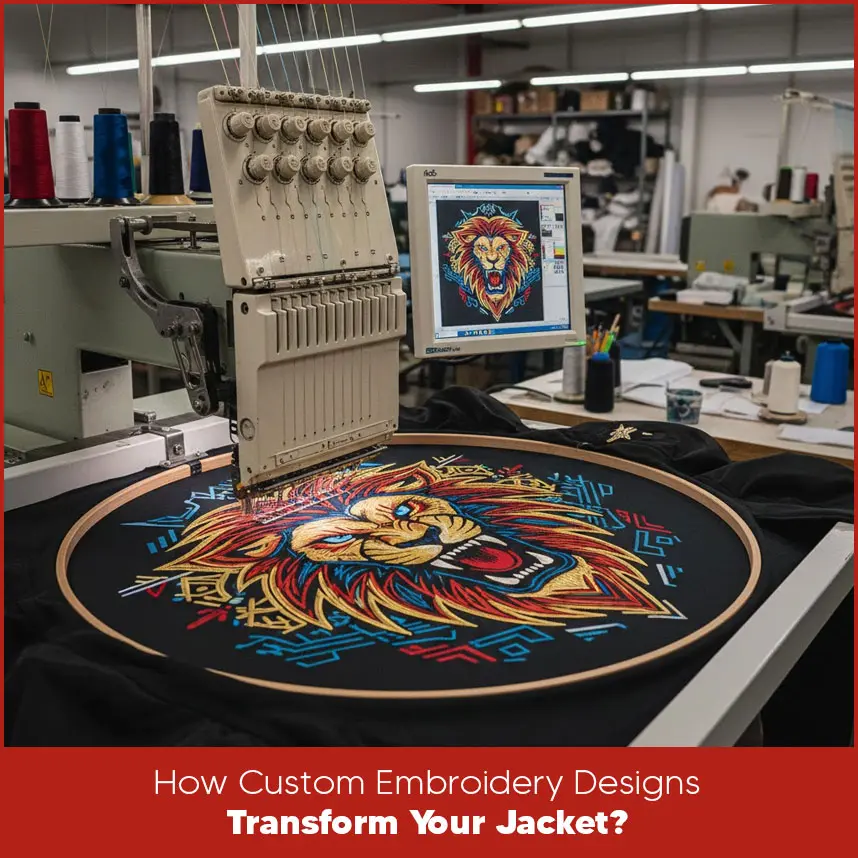
Custom embroidery changes the whole feel of a jacket. It gives you vibe & value at the same time. The best part is that a stitched design does not fade or peel, even after frequent washes. It stays the same after many years.
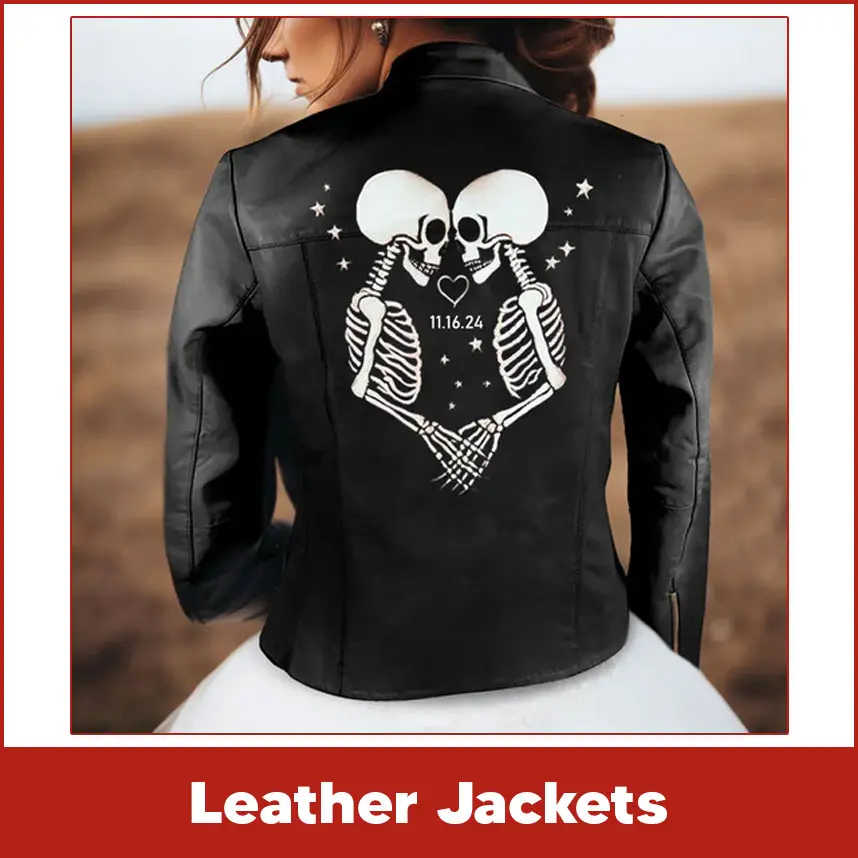
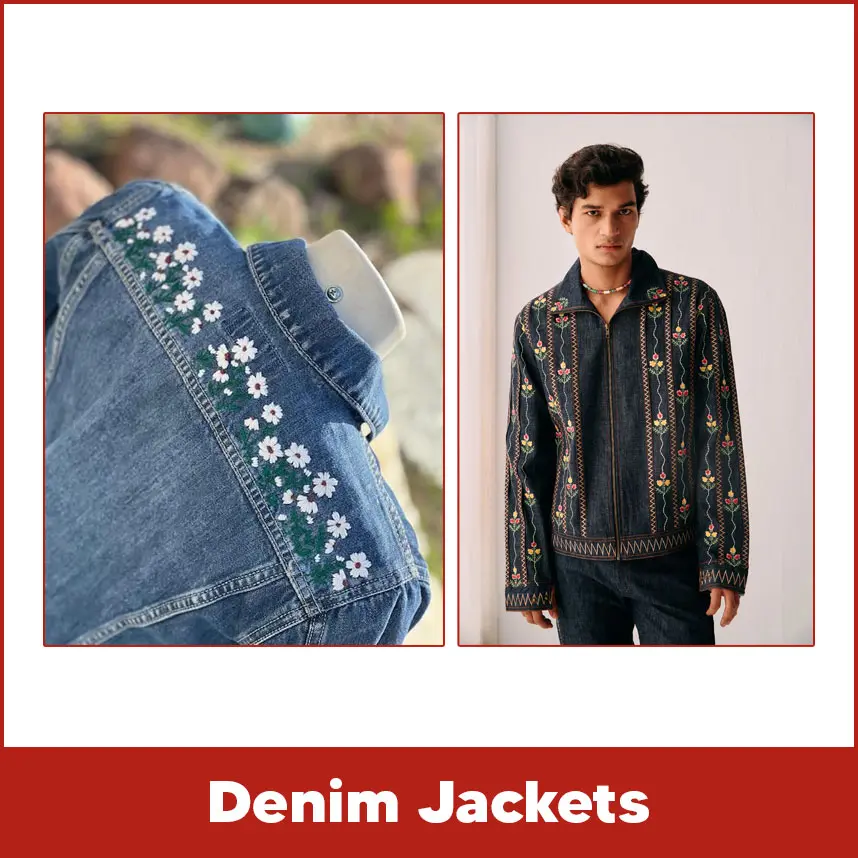
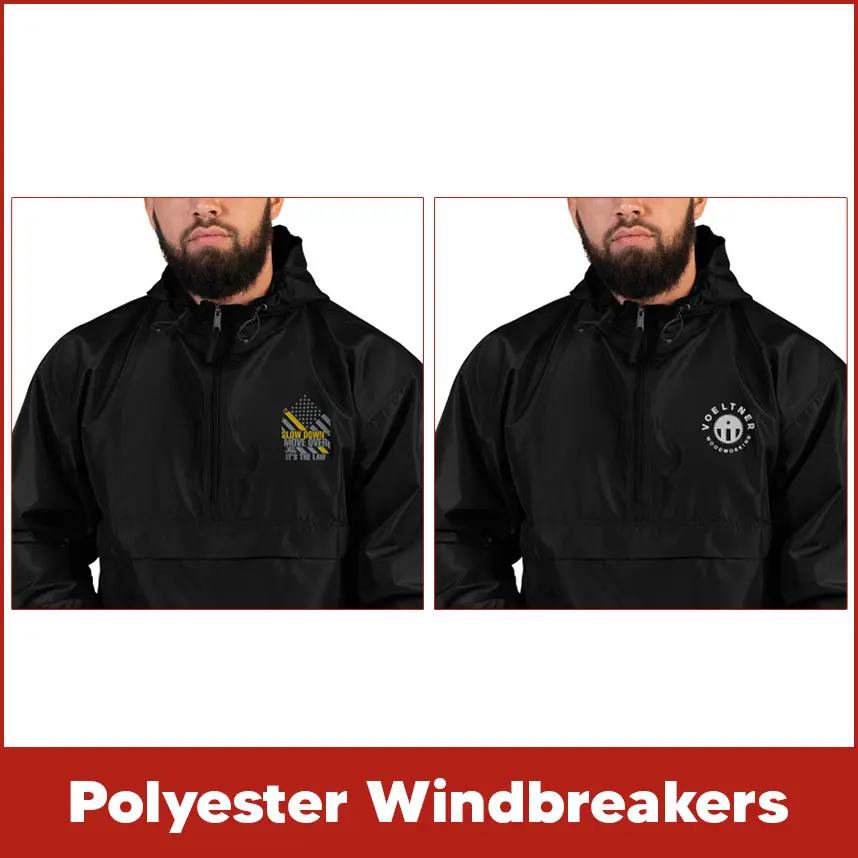
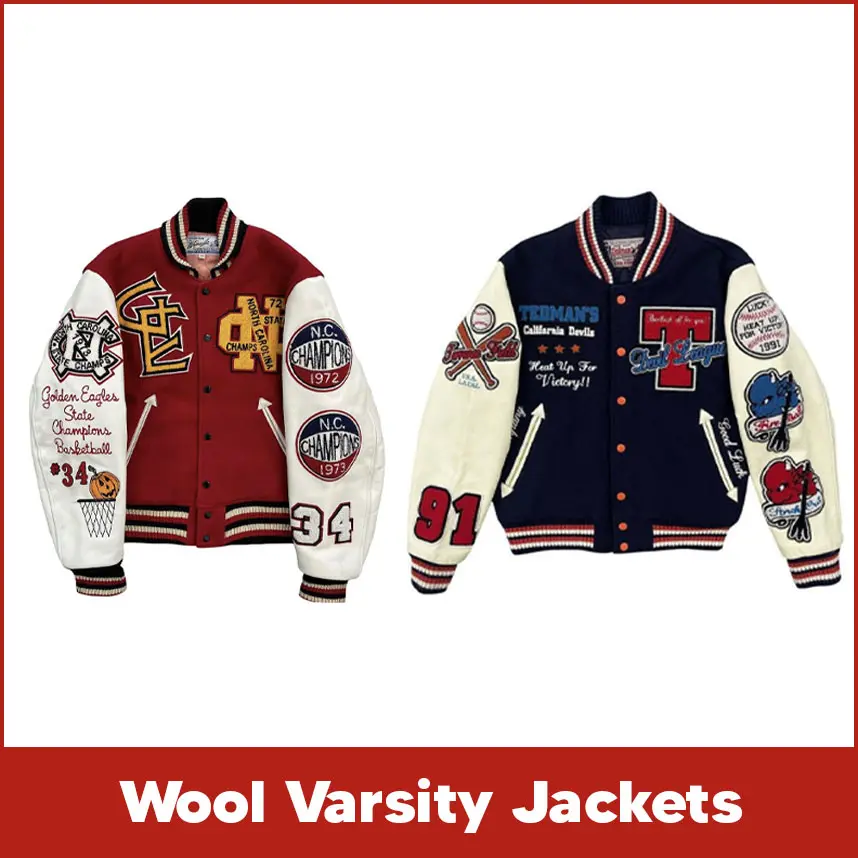
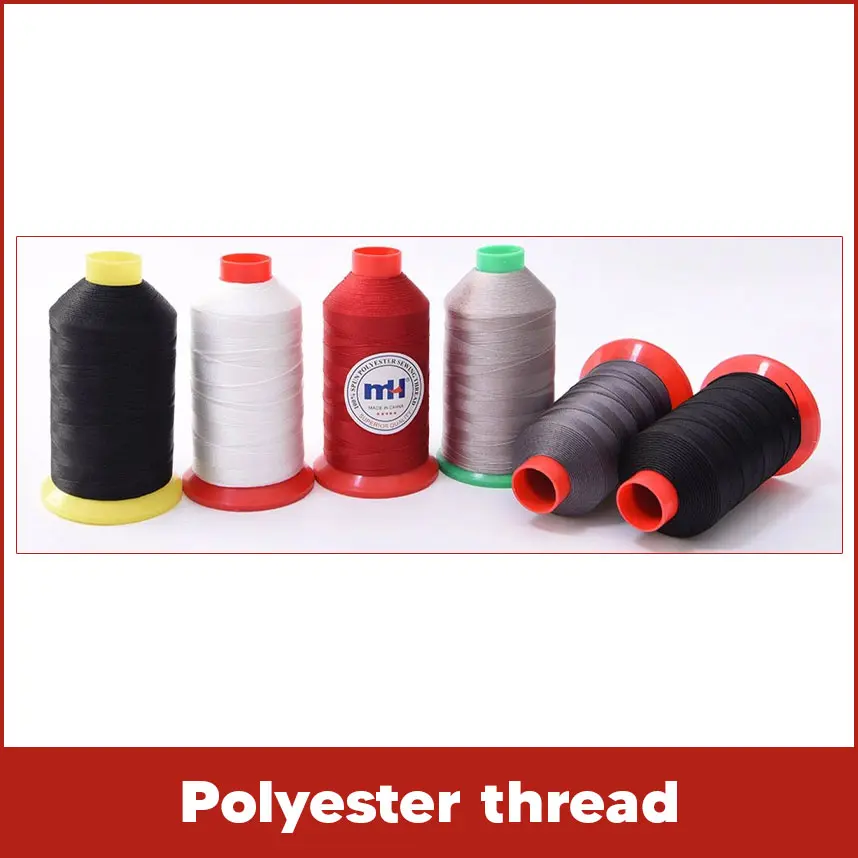
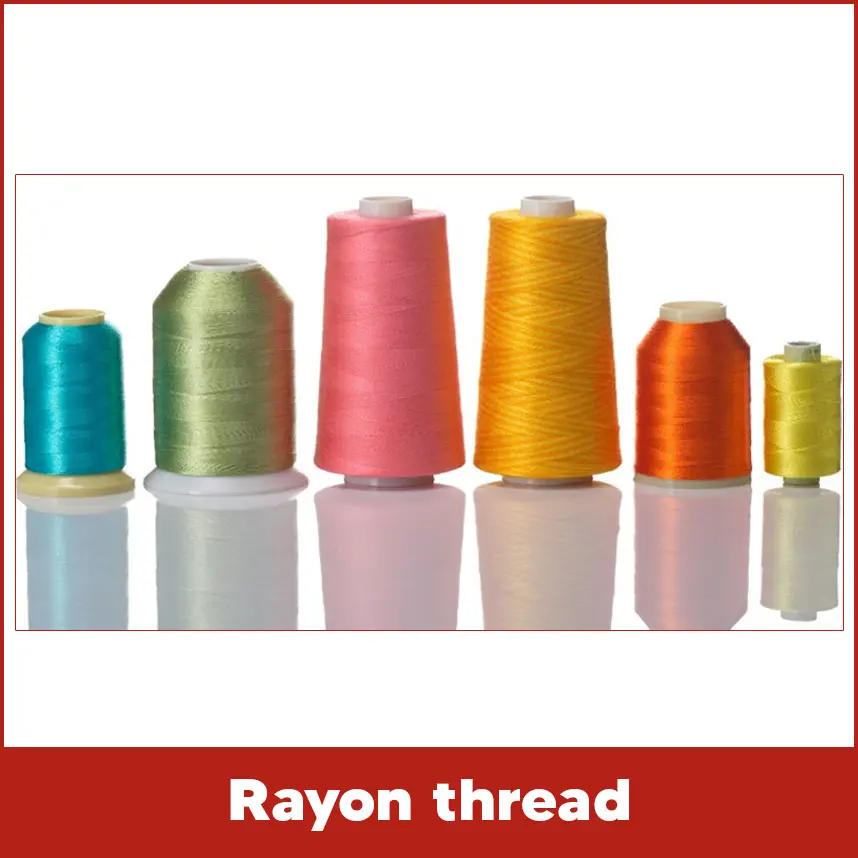
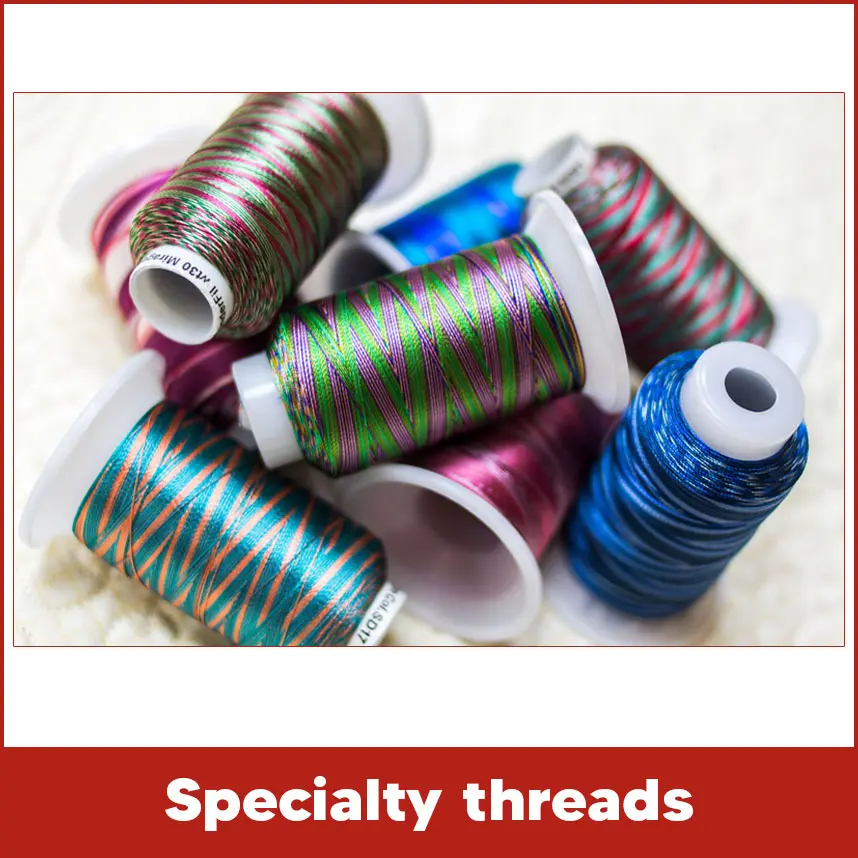
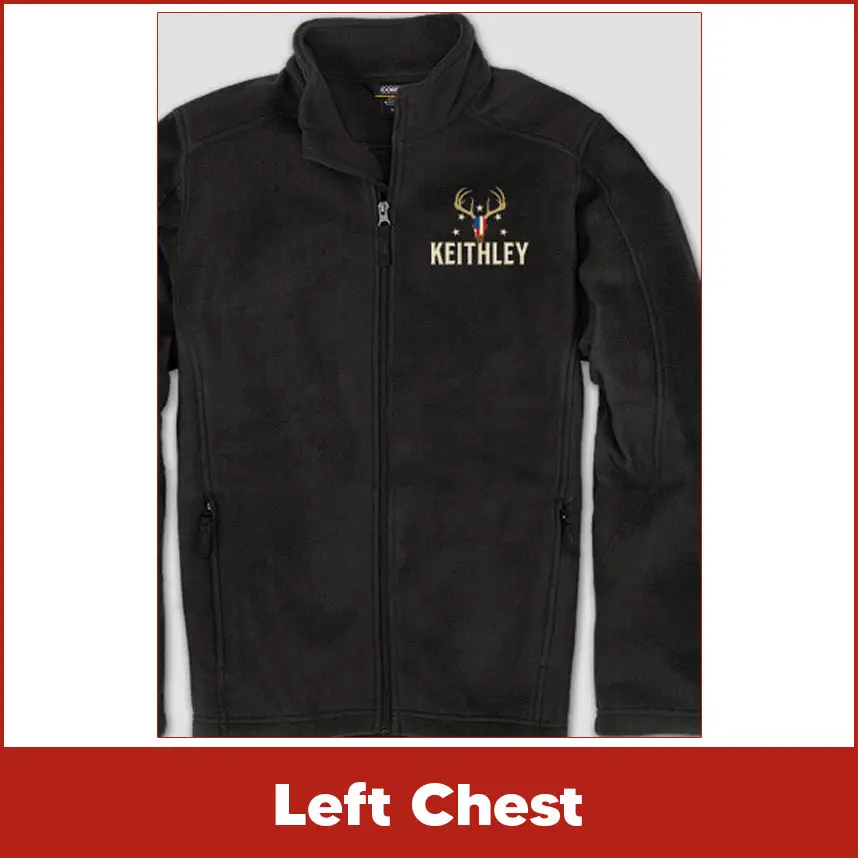
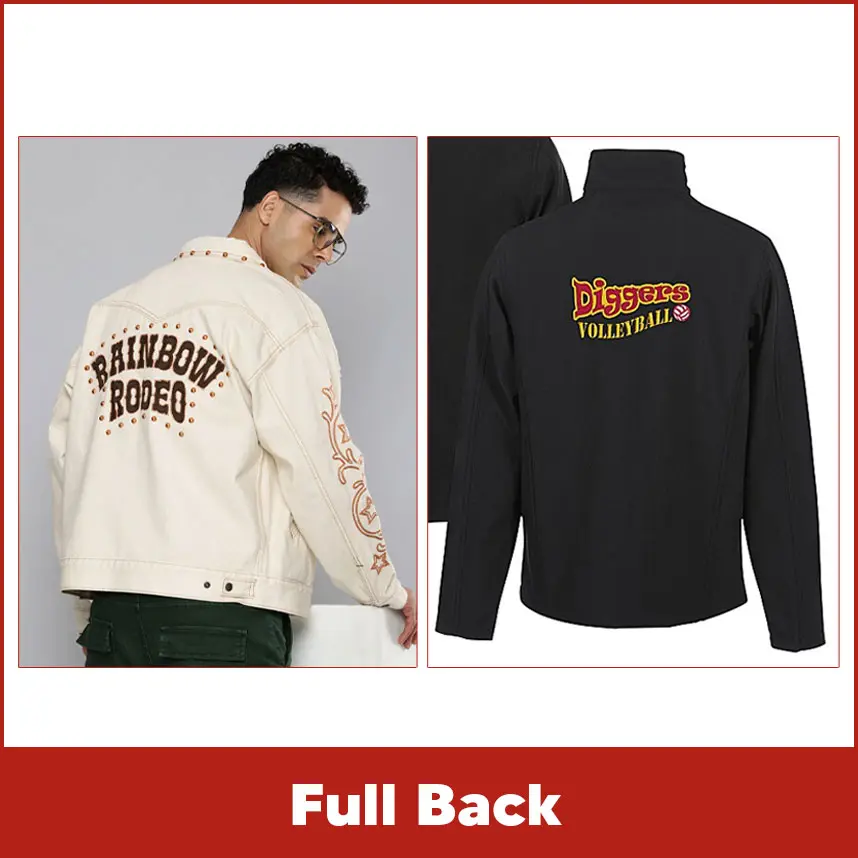
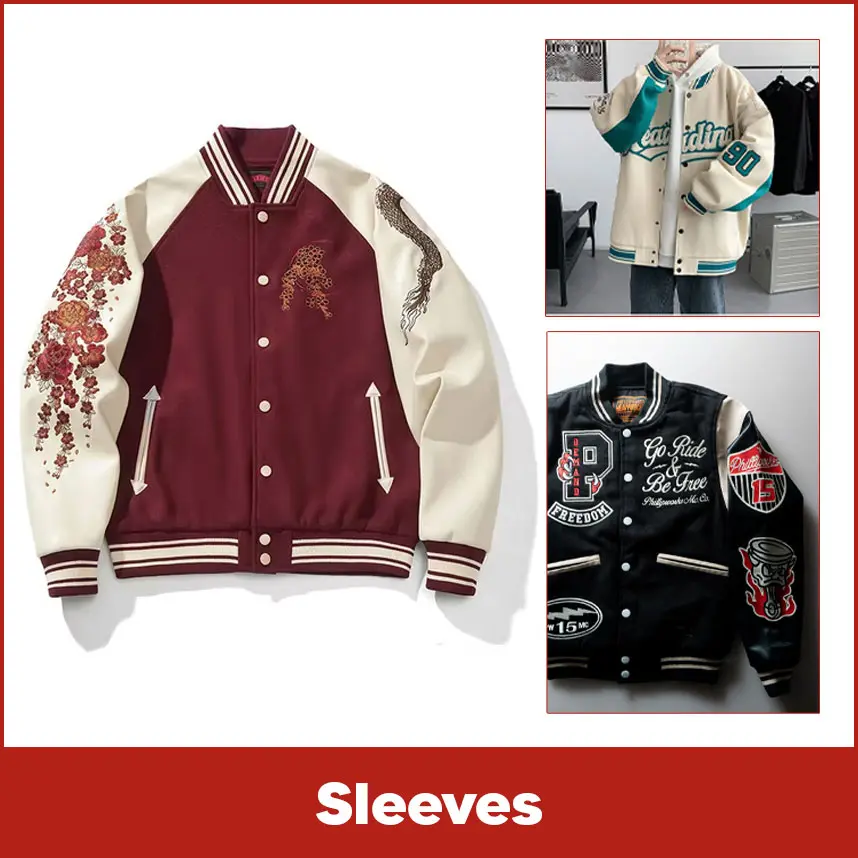
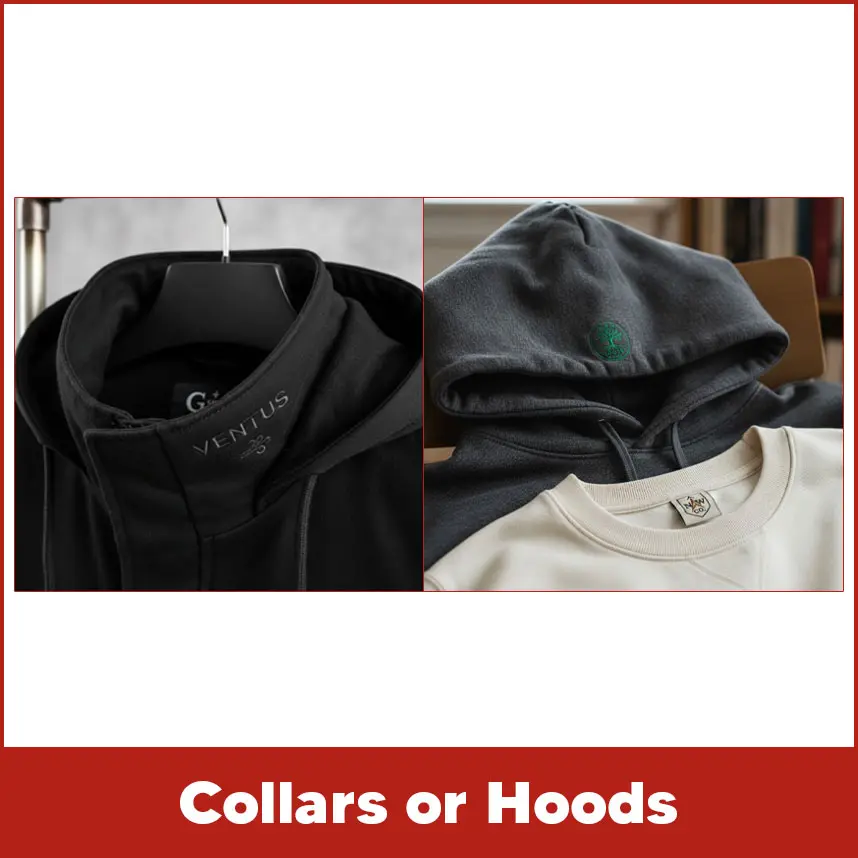
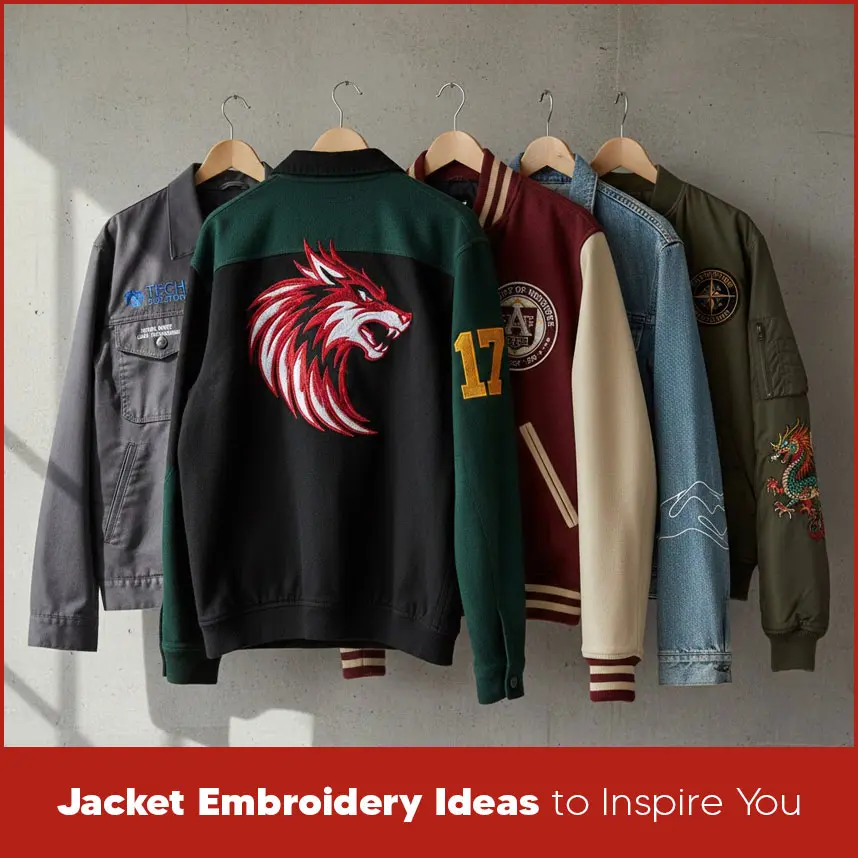
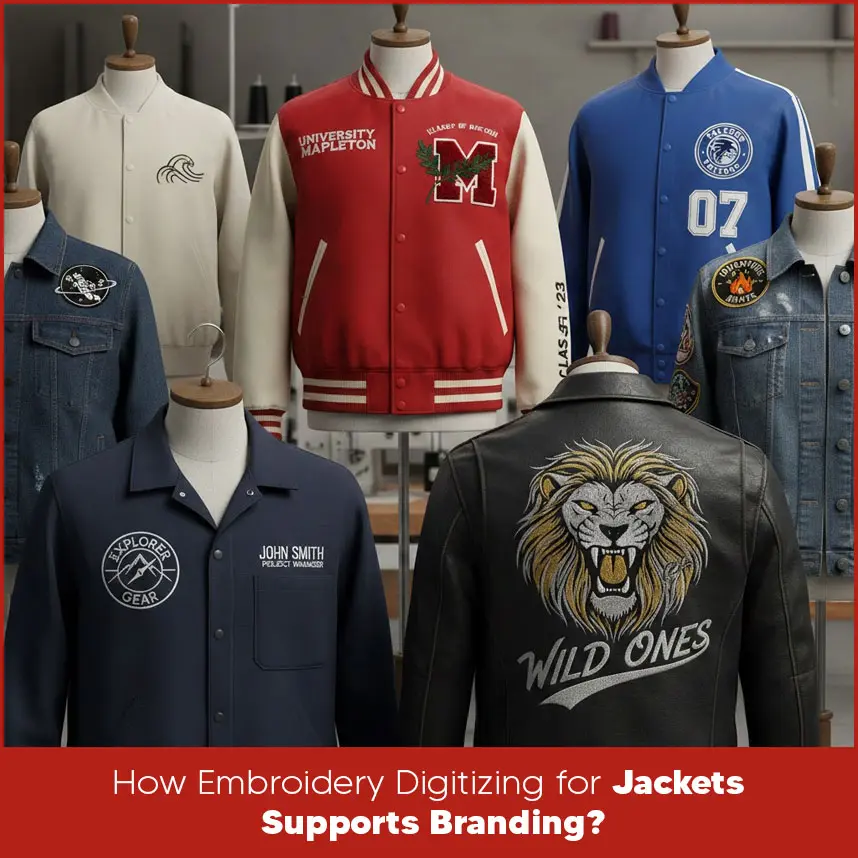
Embroidery also adds texture. Raised stitches grab attention. It looks good on jackets, varsity jackets, and branded outerwear. A digitized design supports control over stitch type, direction, anddensity. That control keeps the jacket looking sharp instead of stiff or wrinkled. Custom embroidery also allows consistency. If you need ten jackets or ten thousand, digitizing keeps every stitch the same. This matters for brands, teams, and companies that care about uniform quality. Not every jacket works the same for embroidery. Before digitizing, you need to understand how the jacket behaves under the needle. Stable fabric holds stitches in place. Thick and firm fabrics support embroidery better than soft or stretchy ones. Unstable fabric can shift during stitching, which causes misaligned designs. Seams can block needles and distort designs. Avoid placing embroidery over thick seams or zipper lines. Flat areas always give better results. Inner linings affect hooping. Loose linings may get caught during stitching. Pockets also limit design space and may need special handling during digitizing. Low-quality jackets may tear or pucker under stitch pressure. Strong jackets handle embroidery tension better and keep the design clean for years. Different jacket fabrics react differently to stitches. Digitizing must match the fabric type. Leather needs low stitch density and wider spacing. Tight stitches punch holes and weaken the surface. Digitizing for leather focuses on clean outlines and simple fills. Denim supports embroidery well because of its strength. Digitizers still control density to avoid stiffness. Satin stitches and bold lettering work very well on denim. These jackets are light and slippery. They need careful digitizing with lighter stitches and proper underlay. Too many stitches cause puckering and fabric damage. Wool has texture and thickness. Digitizing needs proper pull compensation and strong underlay. Chenille and classic embroidery styles suit varsity jackets well. Thread choice affects both look and durability. Most jacket embroidery uses the following threads: Polyester thread resists fading, moisture, and wear. It is good for outdoor and work jackets. Rayon gives a soft shine and smooth finish. It suits fashion jackets and light outerwear. Some designs use metallic or matte threads for style. Digitizers limit their use to avoid breakage. The digitized file always matches the thread type to avoid tension issues during stitching. Placement decides how visible and balanced the design looks. This is the most common spot. Businesses and teams prefer it for logos. It stays visible but not overpowering. Back embroidery allows large designs. Brands often place slogans, artwork, or logos here. Digitizing must handle wide stitch areas carefully. Sleeve embroidery adds detail and enhances personality. It works well for names or small logos and small designs. Digitizing keeps designs narrow, small and clean for sleeves. These areas add subtle branding. Small text or symbols work best here due to limited space. If you want ideas, these options work well across many jacket styles: - Company logo on the left chest. - Large brand logo on the back. - Name and title on work jackets. - Team logo with player number. - School, college or university emblem on varsity jackets. - Minimal design on sleeves. - Custom artwork or badge-style patches. Each idea depends on good digitizing to keep stitches clean and readable. Branding depends on consistency and quality. Embroidery digitizing helps both. A digitized logo keeps the same shape, size, and stitch style on every jacket. This builds trust and recognition. Also, embroidery lasts longer than prints. Clean stitching reflects professionalism and attention to detail. This matters in service businesses, events, corporate settings and so on. Digitizing also allows easy updates. If a brand changes color or size, the file adjusts without starting from scratch. Professional digitizing makes a big difference. This is where DigitizingUSA helps. We create embroidery designs that match fabric type, placement, and machine needs. DigitizingUSA focuses on: - Proper stitch density for jackets. - Clean outlines and smooth fills. - Files compatible with all major machines. - Fast turnaround without compromising quality. Our digitizers understand fabric materials, not just flat fabric. This ensures the final embroidery looks clean and professional on jackets, not just on screen. Embroidery digitizing for jackets needs skill because jackets have tough fabric and of course the right approach. Fabric type, jacket structure, thread choice, and placement everything affect the final result. Good digitizing keeps designs perfect, visible and long lasting. If you want jacket embroidery that looks unique and want to keep it for years, DigitizingUSA provides reliable, jacket focused embroidery digitizing that supports branding and quality.Top Considerations for Your Jacket Choice
Fabric stability
Seam placement
Linings and pockets
Brand quality and durability
Jacket Fabrics That Affect Embroidery Digitizing
Leather Jackets
Denim Jackets
Polyester Windbreakers
Wool Varsity Jackets
What Kind of Thread is Used for Jacket Embroidery?
Polyester thread
Rayon thread
Specialty threads
Embroidery Design Application on Jackets
Left Chest
Full Back
Sleeves
Collars or Hoods
Jacket Embroidery Ideas to Inspire You
How Embroidery Digitizing for Jackets Supports Branding?
Where to Get Custom Embroidery Designs for Jackets?
Summary