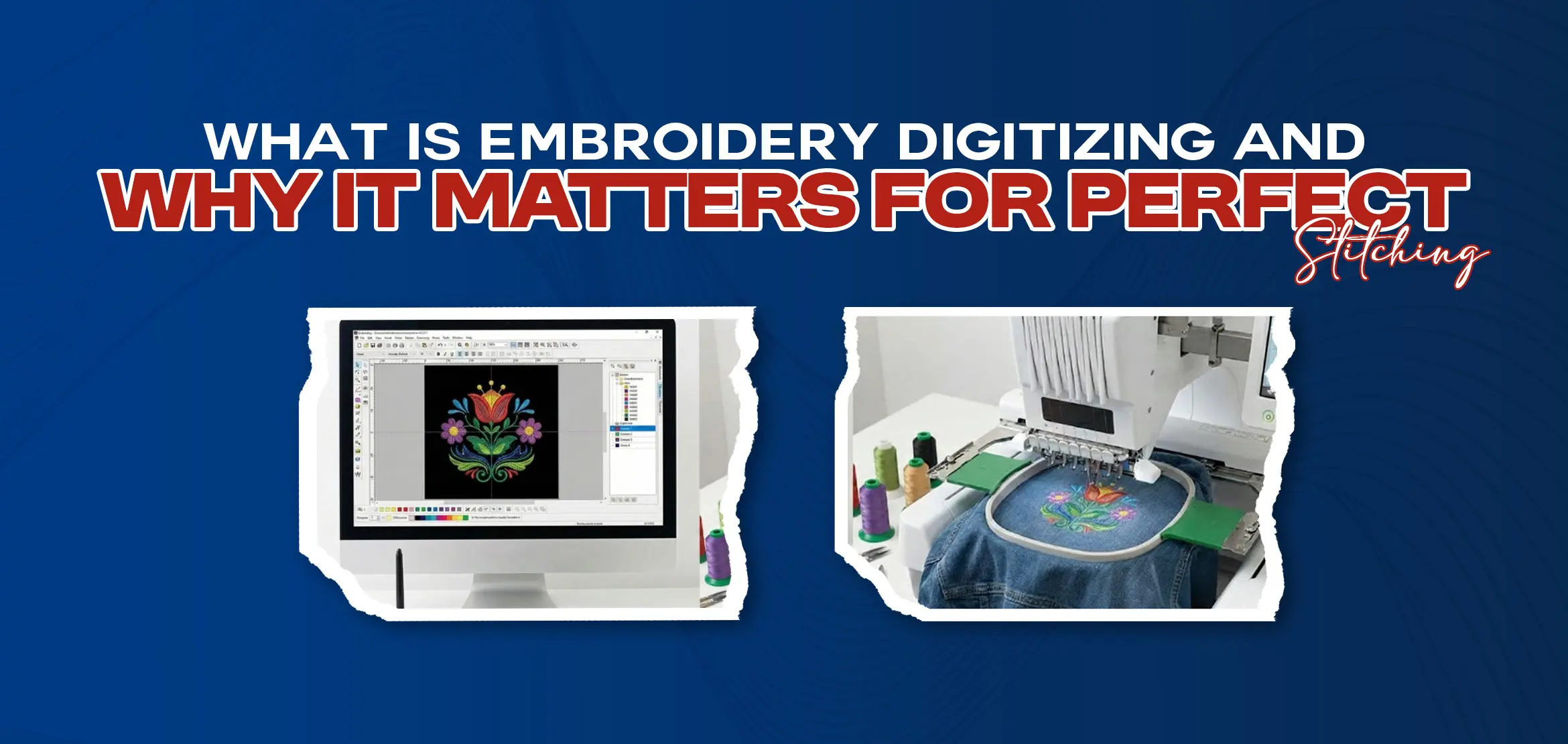
What is Embroidery Digitizing and Why it Matters for Perfect Stitching
Guys are you familiar with this term "embroidery digitizing"? If not, but curious to know, then this guide is for you.
One day, you picked a hat, beanie or a jacket with a sharp, clean logo stitched on it and thought about how that design got there without any loose threads or bunching. You've seen the results of good embroidery digitizing. It's behind the scenes step that makes stitched embroidery designs look professional and last a long time. Running small businesses, making gifts or thinking about starting embroidery, understanding this guide will help you get better results. Let's go through it together and understand what is embroidery digitizing. .
What is Embroidery Digitizing?
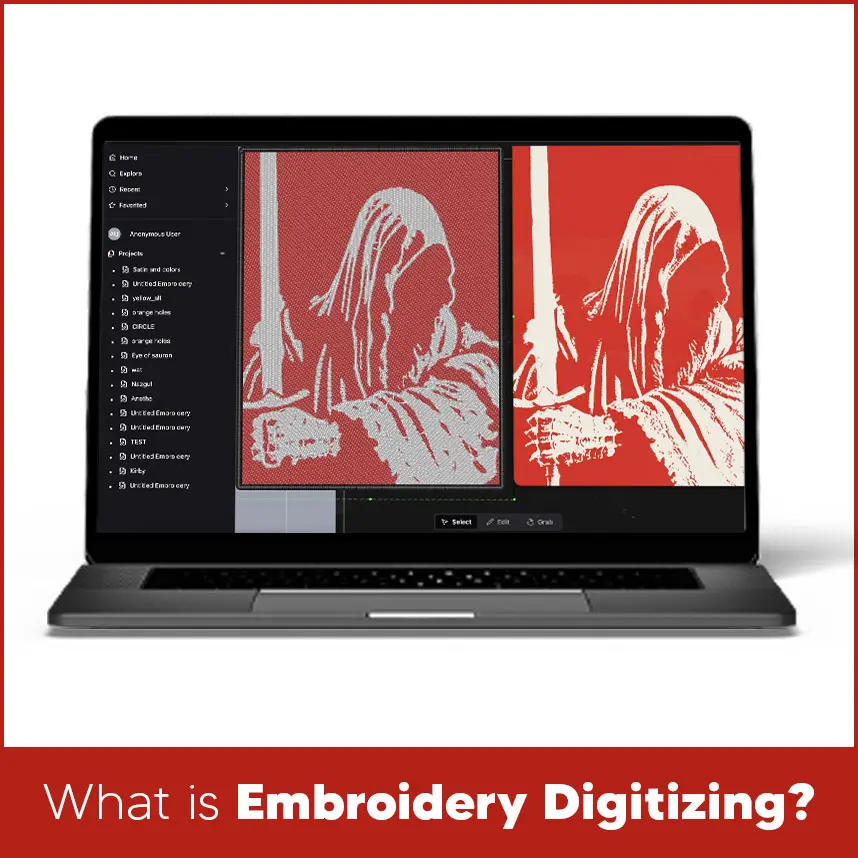
Embroidery digitizing is the process of converting any picture, logo or any other artwork into an embroidery file that embroidery machines read and follow to create stitches.
You can start with any image, it can be a logo or any picture in JPEG format. Then, using special embroidery digitizing software, you map out where each stitch goes, what type of stitch to use, the direction of the stitches and the order of colors. The machine needs these exact instructions, if not, the design could come out messy or uneven.
A well knwon & most popular software program Wilcom introduces new features for blending colors smoothly and continuing work on complex shapes without starting over. This makes the process fast and accurate. The file ends up in formats like DST or PES, which embroidery machines understand.
In short, digitizing acts as a clear set of directions so the needle and thread do exactly what you want on the fabric.
Why it Matters for Perfect Stitching?
Good digitizing is what turns perfect stitched design into one that looks sharp and holds up well. If the file isn't done right, you might see issues like puckered fabric, broken threads, or details that are lost.
One main reason it matters is precision. A solid digitized file keeps small letters clear and fine lines crisp, even on tricky materials. This helps avoid waste from mistakes, and it cuts down on time spent fixing problems during stitching.
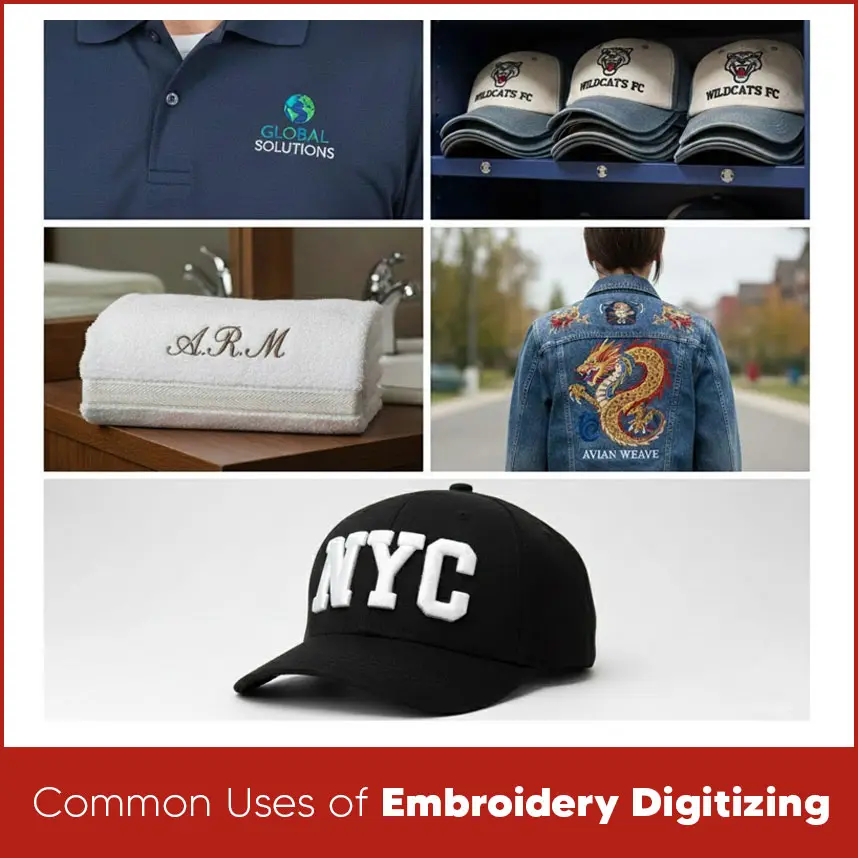
It also ensures everything stays consistent. If you're making multiple items, like team uniforms, each one will match the others perfectly. With material costs going up these days, efficient files that use less thread can save money without skimping on quality. Plus, well-planned stitch paths prevent the fabric from shifting or pulling, leading to cleaner finishes overall. As long as the digitizing considers the fabric and design size, your final pieces will look professional and feel durable. Several basic essentials come together to make a strong digitized file. First, embroidery software programs play a big role. Wilcom stands out for pros with new features like the Multi Blend tool for smooth color blending across layers, precision grids for accurate placement, and continued digitizing that lets you pick up right where you left off on closed shapes. Other options include Hatch for easier learning with lots of built-in features and fonts, or free open-source ones like Ink/Stitch for freshers who want to try without spending money. Stitch types are next. Running stitches work for thin outlines and details, satin stitches for smooth borders and letters, and fill stitches for covering larger areas with patterns. Special ones like 3D puff add raised effects using foam underneath. Direction and density count too, stitches going the right way keep the fabric flat and prevent warping. Too much density can cause puckering, while too little leaves gaps. Underlay stitches go down first to stabilize everything and set the fabric for a smooth base. Color order helps the machine run smoothly with fewer stops and thread changes. Pathing Pathing is important as well; it plans the order of stitching to reduce jumps and trims, making the process faster and cleaner. Pull compensation adjusts for how thread pulls on fabric, especially on stretchy materials, to avoid distortion. Design size and placement matter, if the design is too small, tiny details like text under 0.20 inches might need special handling, such as using running stitches instead of fills. Fabric type affects all these choices. Stitches break thick fabrics like denim but sit on top of tight ones like nylon, so adjustments keep the look consistent. When these elements line up, the design stitches out clean on most machines with fewer issues. People prefer digitized designs to different items, like: For businesses, it's common on uniforms, polos, and promotional items like bags or hats to represent their logos clearly. It gives a polished look that builds brand recognition. In fashion, designers add patterns to dresses, jackets, or accessories. Home items like towels, cushions and blankets usually get custom touches too. People also digitize family names to add to quilts or create meaningful gifts. Sports teams put player numbers on jerseys, and events use it for favors or keepsakes. Even large industries apply it to car seats or work gear. No matter the size, digitizing lets you add unique, lasting details to almost any fabric item. If you are looking for digitizing services, picking a reliable service provider makes a big difference. Digitizing USA is a leading embroidery digitizing service provider in the embroidery industry. We focus on high-quality results with fast delivery. Our turn over time is mostly within 2 to 6 hours but in some cases, which involve complex work, the turnover can exceed 12 hours. You will get custom embroidery designs at the minimal flat rates. We are more than happy to provide free revision, free format conversion as well as free minor editing. Our Embroidery Digitizing Services are: We have a wide range of embroidery digitizing services. - Vector tracing/raster to vector Summary Embroidery digitizing takes a simple image and turns it into beautiful embroidery designs with precise stitching. It helps avoid common problems, saves time and materials, and opens up uses from business branding to personal projects. With software improving every year, getting professional results is easier than before.Key Elements of Embroidery Digitizing
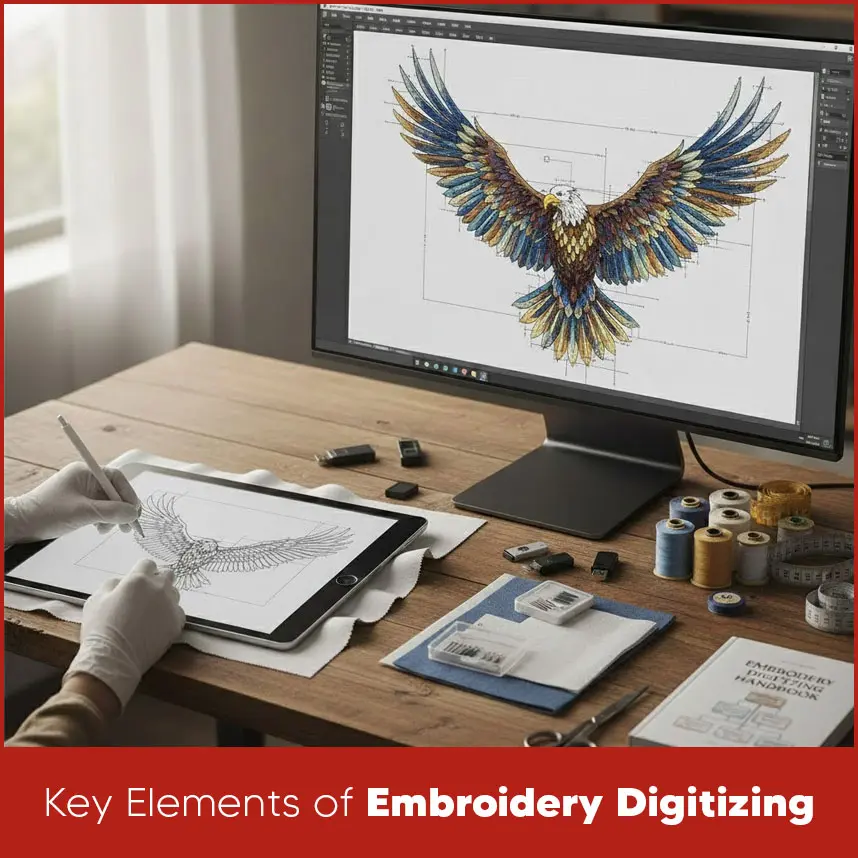
Embroidery Software
Stitch Types
Direction and Density
Design Size and Placement
Fabric Type
Common Uses of Embroidery Digitizing
Choose the Right Digitizing Partner
If you're ready for flawless stitched designs, reach out to Digitizing USA today. Send us your artwork and we'll handle the digitizing with quick turnaround and top quality. Let's make your next project stand out. Contact us now.
Related Blogs