
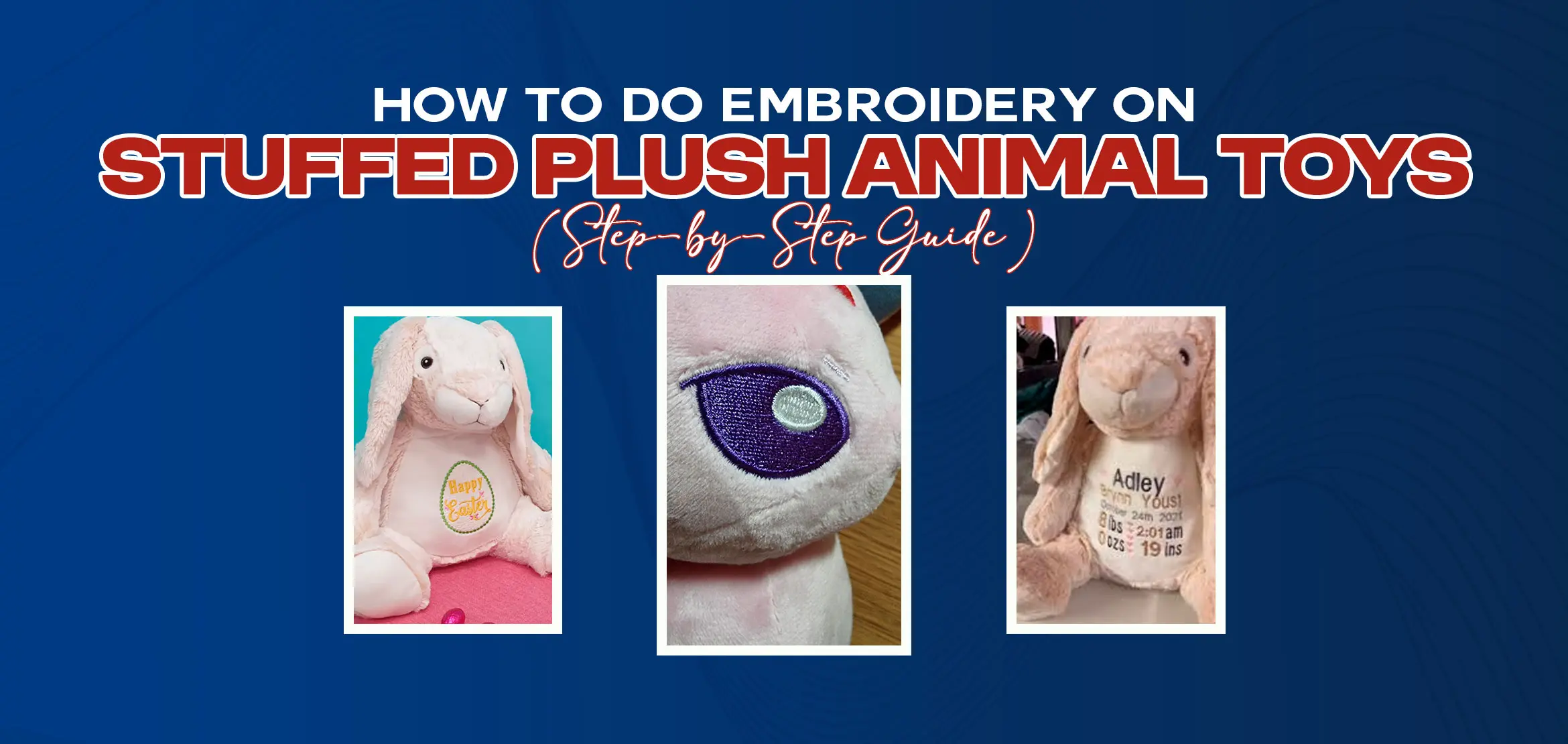
How to Do Embroidery on Stuffed Plush Animal Toys (Step-by-Step Guide)
Table Of Content
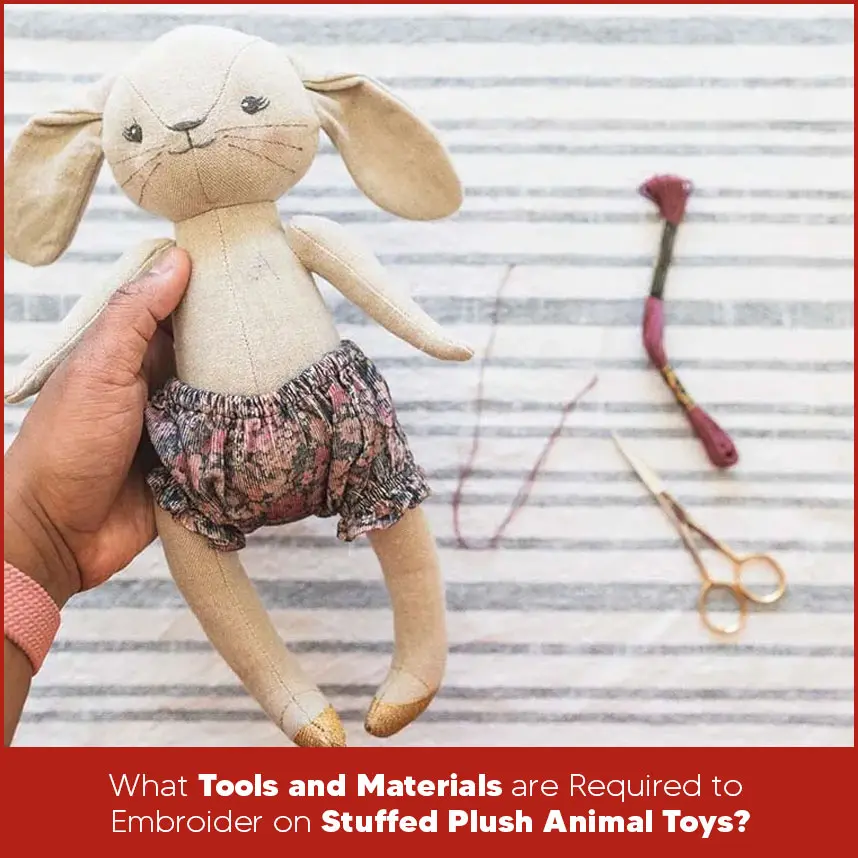
- What Tools and Materials are Required to Embroider on Stuffed Plush Animal Toys?
- Machine Embroidery Setup
- Stabilizers
- Hoops
- Needles
- Marking Tools
- Adhesives
- Thread
- Small Tools
- Embroidery Machine
- Recommended Tools Chart
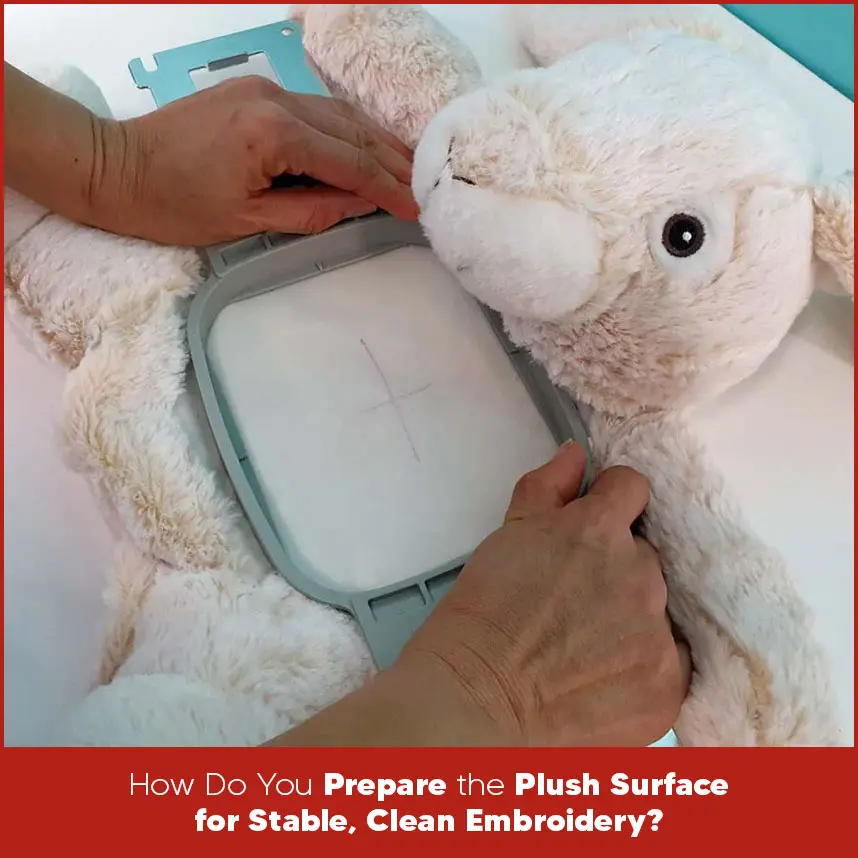
- How Do You Prepare the Plush Surface for Stable, Clean Embroidery?
- Preparation Methods
- Simple Preparation Steps for Finished Plush
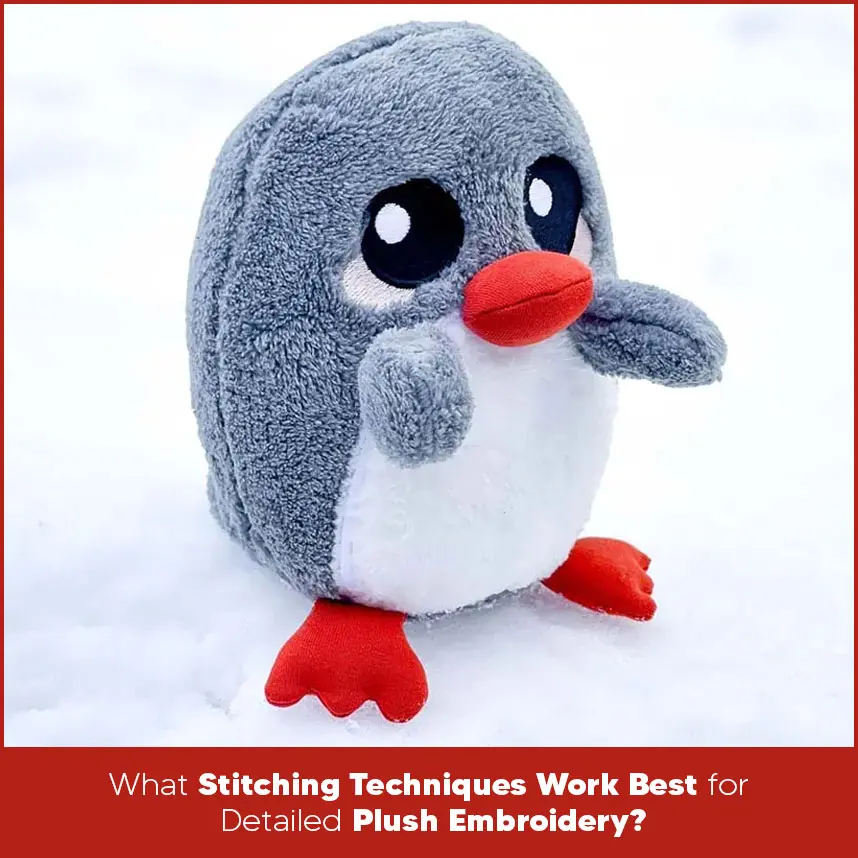
- What Stitching Techniques Work Best for Detailed Plush Embroidery?
- Recommended Stitch Types for Plush
- How Can Embroidery Enhance Facial Features, Logos, or Decorative Details?
- Common Ways to Use Embroidery on Stuffed Animals
- Choosing Embroiderable Stuffed Animals
- Fabric Pile
- Fabric Thickness
- Removable Stuffing Pods
- Optimal Placement Areas
- Machine Embroidery Methods for Professional Results
- Hooping Techniques for 3D Surfaces
- Stabilizer Systems and Design Digitization
- In the Hoop Plushie Construction
- Minky Fabric Handling
- Stuffing Techniques
- Handling Specialty Plush Fabrics and Shapes
- Embroidering Long-Pile Plush Animals
- Summary
Stuffed plush toys are very special for toddlers and adults. They are very cozy and soft. When you add embroidery designs to them, their value and emotional connections automatically increase. In embroidery designs, you can stitch names, symbols or anything you love.
Many people think embroidery on plush is difficult. The soft fabric, thick pile, and inner stuffing create challenges. However, when you use the right essentials, follow correct preparation steps, and apply proper stitching methods, your process will be perfect and lovely.
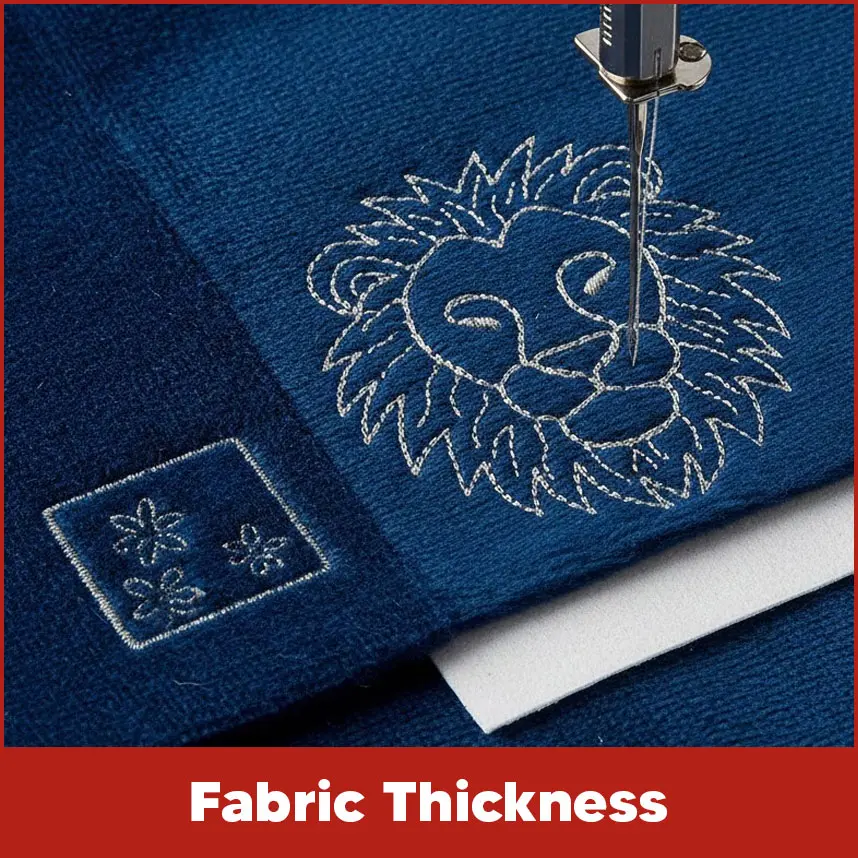
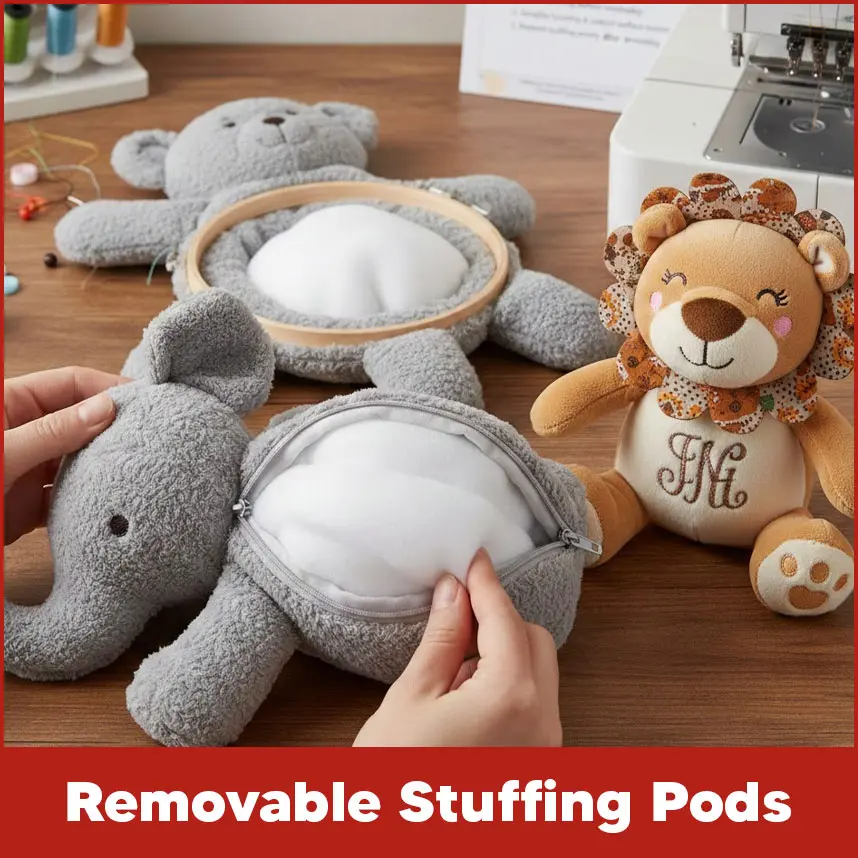
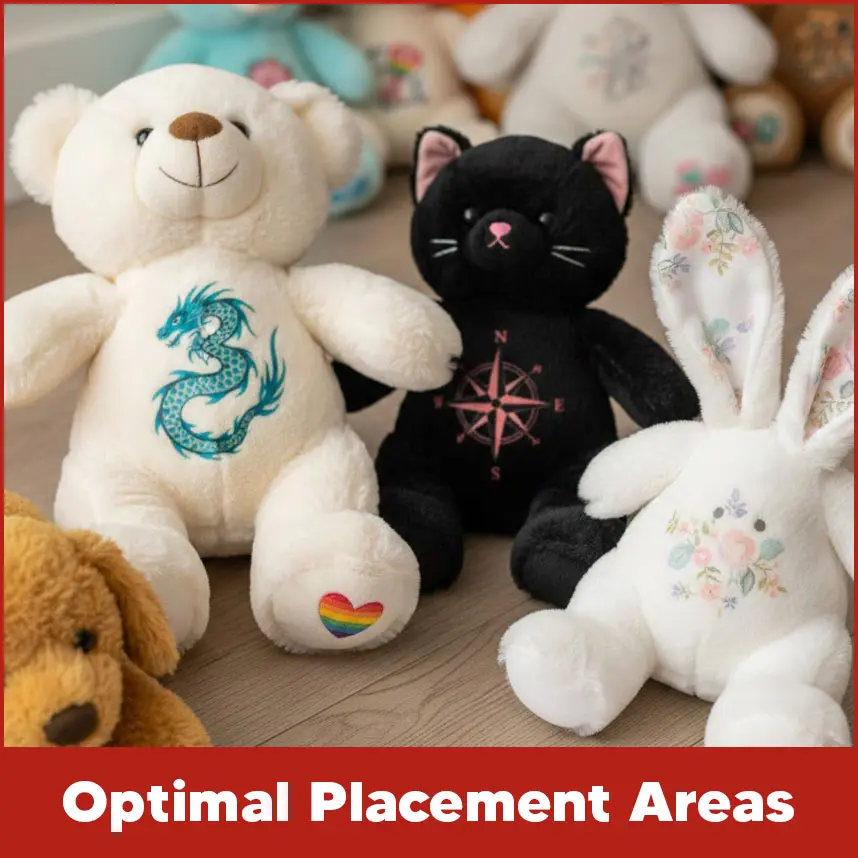
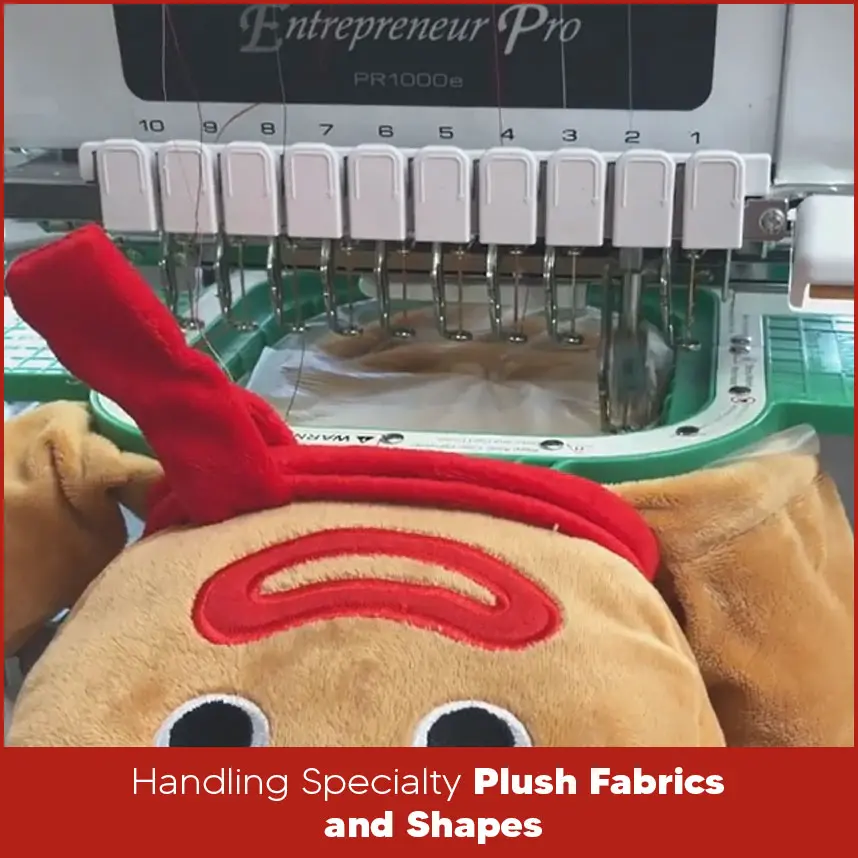
In this guide, you'll understand step by step embroidery on stuffed plush animal toys in a clean, stable, and professional way. This guide also explains machine embroidery methods with strong focus on proper digitizing and stitch control. Plush fabric behaves differently from flat cotton or linen. It contains pile (raised fibers), softness, and stretch. Because of this structure, you must use tools that support stitches and prevent breaking. Below is a detailed breakdown of what works best. When you use a machine, you must focus on setup more than speed. Plush fabric shifts easily, so you must secure stable positioning. Stabilizer supports stitches from underneath. On plush toys, stabilizer prevents distortion and stops stitches from breaking into the pile. Use cut-away stabilizer for long-lasting designs. Use tear-away stabilizer for small names or light designs. Add felt backing to support soft areas. Place water-soluble topper on top of plush to keep stitches visible. Without stabilizer, designs look uneven and messy. Hooping a finished plush toy creates challenges. Most professionals embroider before final assembly. If the toy already contains stuffing: Use a small hoop. Hoop only the fabric area, not the stuffing. Use clamps or firm hand support if hooping is not possible. Hoops keep fabric tight and prevent shifting. Use embroidery or crewel needles in different sizes. Sharp needle tips pass through thick plush easily. Larger needle eyes allow thicker thread to move smoothly. For machine embroidery, use embroidery needles size 75/11 or 80/12 depending on fabric thickness. Water-erasable pens. Tailor’s chalk. These tools help you place the design accurately. Please note: Always test marking tools on scrap fabric first. Temporary spray adhesive holds stabilizer in place. Apply a light spray only. Too much adhesive makes fabric stiff. Use polyester embroidery thread or cotton thread. Polyester thread resists fading and washing. Cotton thread creates a soft, natural finish. Both threads must remain strong and smooth for clean stitching. Embroidery scissors. Seam ripper. Fabric clips. These essentials help with clean trimming and easy corrections. Use embroidery machine, hoops & a well-digitized file for perfect results. Clean digitizing gives you balanced stitch density and proper underlay, which play an important role in plush fabric. Preparation builds the foundation for clean embroidery. Plush fabric has raised fibers that are able to shift under pressure. If you stitch directly on an unprepared surface, thread breaks into the pile, outlines look uneven, and small details disappear. You must control three elements before stitching: surface direction, fabric stability, and stitch support. First, examine the plush fabric closely. Brush your hand across the surface to identify the pile direction. One direction feels smoother. Smooth the fibers in one consistent direction before marking the design. This step helps stitches sit evenly. Next, secure the fabric. Plush stretches easily, especially when it contains stuffing. Remove stuffing before embroidery if possible. If the toy does not allow removal, slide stabilizer inside the plush behind the embroidery area. This internal support prevents puckering. For thick or long-pile plush: Trim the pile slightly in the embroidery area using small scissors. Trim only the top fibers and avoid deep cutting. Place water-soluble topper on top of the plush before stitching. The topper keeps stitches visible and prevents thread from disappearing into fibers. For soft or stretchy plush: Use firm cut-away stabilizer. Reduce stitch length slightly for better control. Avoid high stitch density that stiffens the surface. If you embroider before toy assembly, you gain better control. Flat fabric holds tension better and produces cleaner results. Proper preparation prevents distortion, thread breakage, and uneven outlines. Clean embroidery always begins with stable fabric. Identify a flat, reachable area like the tummy or back. Brush or smooth the fur in one direction. Mark the design using a water-erasable pen. Slide a small piece of stabilizer inside behind the target area. Hold the area firmly in your non-stitching hand or secure it gently with clips. These extra minutes improve the neatness of your embroidery. Not all stitches perform well on plush fabric. Some stitches break into fibers, while others hold shape clearly. Choose stitches that create structure and visibility. For machine embroidery, adjust satin and fill stitch density carefully. High density stiffens fabric & low density creates gaps. Balanced underlay supports top stitches and lifts them above the pile. Embroidery transforms a simple plush toy into an attractive product. When you stitch facial features like eyes, nose, or mouth, you remove glued plastic parts. This increases safety, especially for children. Thread locks directly in fabric and holds securely. Embroidery also increases durability. Logos and decorative elements do not peel or fade easily. Polyester embroidery thread maintains color even after washing. For facial features: Use satin stitch for smooth eyes and noses. Use backstitch or split stitch for mouth lines and eyebrows. Control density to avoid stiffness around curves. Balanced underlay lifts stitches slightly above the plush surface and keeps details sharp. For branding and logos: Place designs on flat areas like belly or paw pads. Use knockdown stitches under text or logos on long-pile plush. Adjust pull compensation to maintain shape accuracy. For personalization: Add names, initials, or short messages on chest or foot. Choose simple and bold fonts for readability. Decorative elements such as stars, hearts, and seasonal motifs increase visual appeal. Embroidery creates texture and depth that printing cannot provide. Clean digitizing supports all enhancements. Proper stitch direction, underlay, and density control keep the design balanced on soft fabric. Embroidery provides long-term durability. Stitched details outlast glued decorations. Not every stuffed animal supports embroidery equally. Fabric type, thickness, and structure affect the embroidery. Evaluate the toy carefully before starting. Short pile fabrics produce clearer designs because stitches stay visible on the surface. Fleece and velboa perform well. Long pile fabrics such as shaggy plush require trimming and topper film. Without trimming, designs sink into fibers. Medium-thickness plush holds stitches firmly without stiffness. Very thick plush requires: Stronger needles. Firm cut-away stabilizer. Slight density adjustment. Test a small sample area if fabric feels too dense. Some plush toys include zipper openings or removable stuffing inserts. Remove filling before embroidery to simplify hooping and reduce surface tension. Reinsert stuffing evenly after embroidery. Choose flat surfaces such as: Tummy. Back. Paw pads. Ear panels. Avoid narrow or curved sections because uneven areas distort designs and affect alignment. Selecting the right plush toy prevents stitching issues later. Machine embroidery produces clean and repeatable results. Proper digitizing determines quality. For finished plush toys: Avoid hooping thick stuffed areas tightly. Float plush over hooped stabilizer when necessary. Use clips to secure gently. Do not force thick plush into a small hoop. This action causes distortion. Digitize plush designs with: Lower stitch density. Strong underlay. Knockdown stitch under detailed areas. Slight pull compensation. Knockdown stitches flatten pile before top stitching and improve visibility of text and logos. In the hoop construction helps you build a plush toy directly inside the embroidery hoop. This method produces consistent seams and clean embroidered details. Professionals use this method for small plush toys, custom mascots, and branded items. Step-by-Step Assembly: Load Digitized Files: Insert properly digitized plush design into the embroidery machine. Confirm that stitch density, underlay, and seam allowances match plush fabric needs. Hoop Stabilizer: Hoop strong cut-away stabilizer tightly. Keep the stabilizer firm and wrinkle-free. Stitch Placement Lines: Allow the machine to stitch placement lines first. These lines guide fabric positioning. Layer and Secure Fabric: Place plush fabric over the placement outline in correct orientation. Secure fabric with light adhesive spray or temporary stitches. Add Details: Stitch facial features, logos, and decorative elements before closing seams. This process keeps fabric flat during detailed stitching. Trim and Assemble: Trim excess fabric around seam lines carefully. Avoid cutting inside stitch lines. Final Assembly: Allow the machine to stitch around outer edges while leaving a small opening for turning and stuffing. Turn and Stuff: Turn plush inside out through the opening. Insert stuffing evenly and shape carefully. Hand Finish: Close the small opening with ladder stitch or hidden hand stitch. Keep stitches tight and neat. In the hoop construction combines accurate digitizing with structural control. Balanced stitch density, correct seam allowance, and strong stabilizer produce a clean and professional plush toy. Minky fabric contains soft raised dots. Place water-soluble topper above fabric and use cut-away stabilizer underneath. Lower stitch density slightly to prevent stiffness. After embroidery: Insert stuffing evenly. Avoid overfilling near embroidered area. Distribute filling smoothly to maintain surface balance. Some plush materials require additional care. Long fibers hide stitches. Manage pile carefully before and during stitching. Pile-Trimming Techniques: Trim small area slightly before stitching. Cut only top fibers. Knockdown Stitches and Underlays: Digitize knockdown stitch under design area to flatten fibers and improve visibility. Stabilizer Selection: Use firm cut-away stabilizer and add topper film above fabric. Density and Stitch Management: Lower density slightly, increase underlay support, and adjust pull compensation carefully. Finishing Touches: Brush fibers gently around design after stitching. Remove topper with water. Now, you got it every step clearly how to do embroidery on stuffed plush animal toys. Proper tools, careful preparation, balanced stitch types, and correct digitizing work together to create clean and durable embroidery. Plush fabric demands special attention. Stabilizers support the base. Underlay lifts stitches. Knockdown stitches flatten pile. Correct density keeps design flexible and neat. If you need professional digitizing services, DigitizingUSA can help. We digitize every type of embroidery design with balanced stitch density and proper underlay settings. We deliver clean files, free format conversion, and free minor editing. We maintain quality and deliver on time.What Tools and Materials are Required to Embroider on Stuffed Plush Animal Toys?
Machine Embroidery Setup
Stabilizers
Hoops
Needles
Marking Tools
Adhesives
Thread
Small Tools
Embroidery Machine
Recommended Tools Chart
How Do You Prepare the Plush Surface for Stable, Clean Embroidery?
Preparation Methods
Simple Preparation Steps for Finished Plush
What Stitching Techniques Work Best for Detailed Plush Embroidery?
Recommended Stitch Types for Plush
How Can Embroidery Enhance Facial Features, Logos, or Decorative Details?
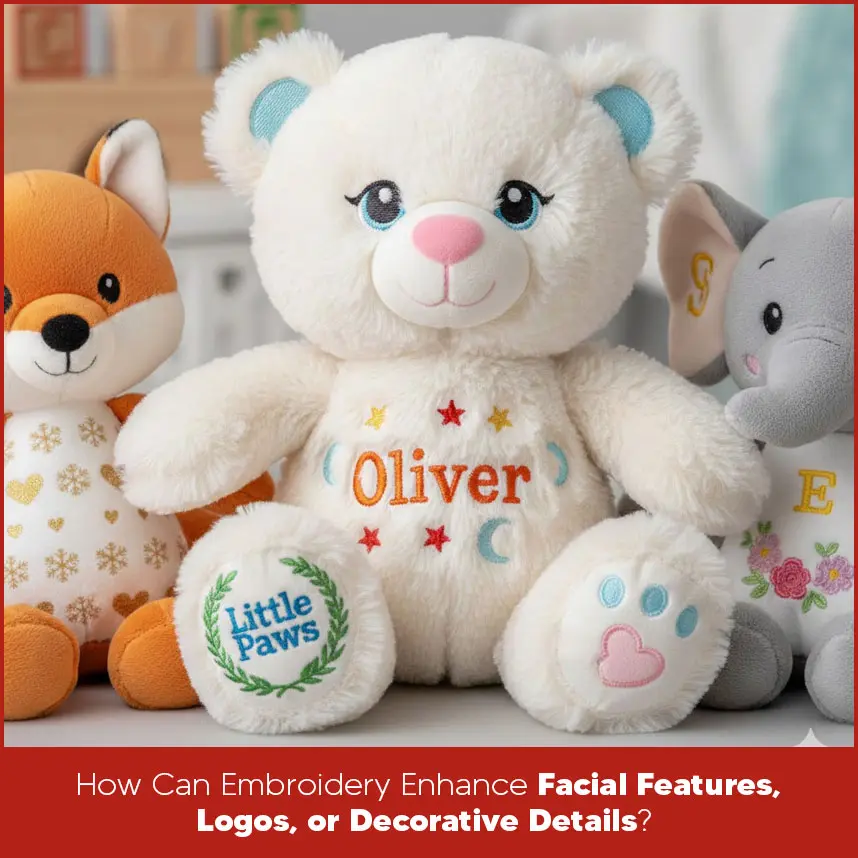
Common Ways to Use Embroidery on Stuffed Animals
Choosing Embroiderable Stuffed Animals
Fabric Pile
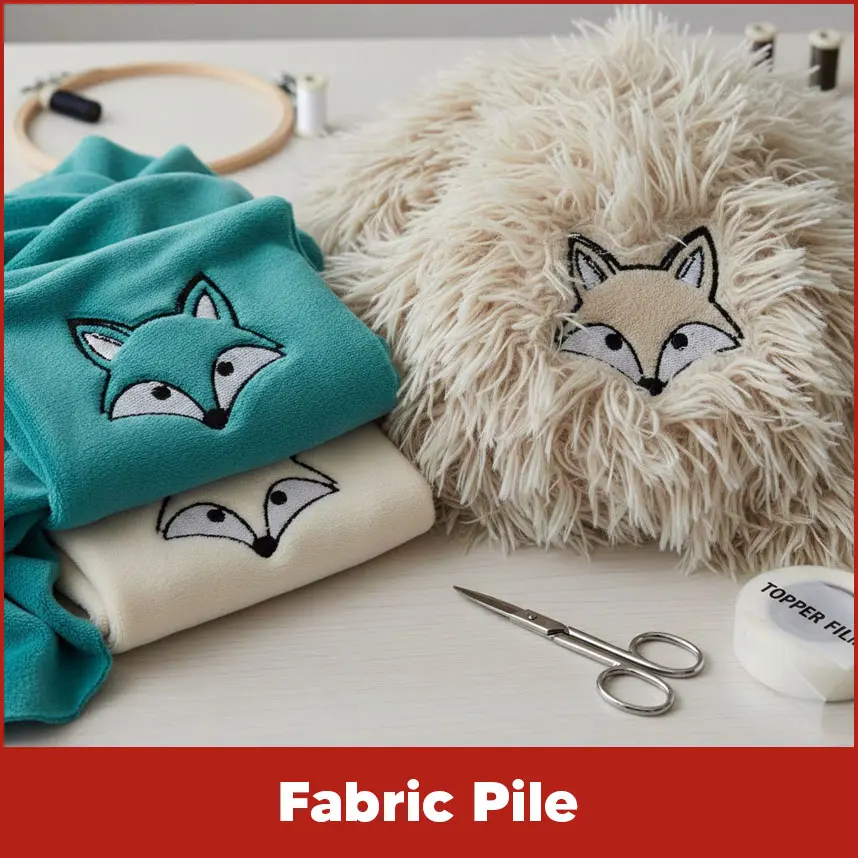
Fabric Thickness
Removable Stuffing Pods
Optimal Placement Areas
Machine Embroidery Methods for Professional Results
Hooping Techniques for 3D Surfaces
Stabilizer Systems and Design Digitization
In the Hoop Plushie Construction
Minky Fabric Handling
Stuffing Techniques
Handling Specialty Plush Fabrics and Shapes
Embroidering Long-Pile Plush Animals
Summary
Check out our services and contact us today to turn your any embroidery idea into a clean, professional embroidery design.